Reviewed · DUBAI TOURS
Authentic Emirati Cultural Meal and Talk in Old Dubai
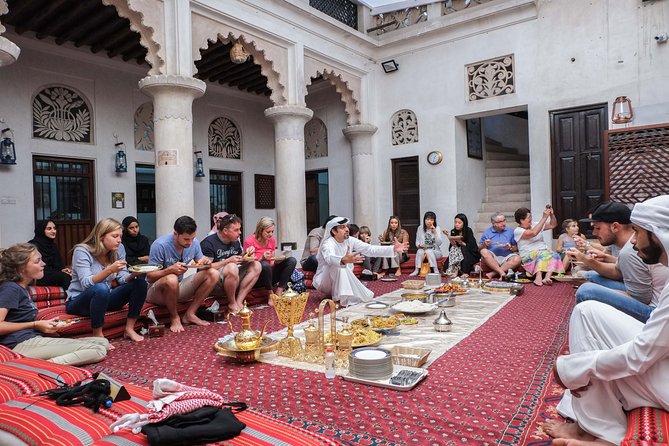
The best part of this experience is the setting: you sit in a wind-towered courtyard in Al Fahidi, one of old Dubai’s most atmospheric neighborhoods, and talk over a real Emirati meal. Arabic coffee, dates, local dishes, and syrup-soaked ligamat make the introduction warm and hands-on.
I like two things especially. First, the Q&A is open, so you can ask about Islam, family life, clothing, food, greetings, or everyday customs. Second, the small group, capped at nine people, gives the conversation a personal feel. The main consideration is that the discussion follows your questions, so prepare a few if you want a structured introduction rather than a formal lecture.
Key points to know before booking
- A meal inside a traditional wind-tower house: The setting gives you a clear sense of old Dubai beyond its modern towers.
- Open conversation with Emirati presenters: Questions about faith, dress, food, customs, and daily life are welcome.
- Arabic coffee, tea, dates, and local food included: Ligamat donuts with date syrup are a memorable sweet finish.
- Breakfast, lunch, or dinner options: You can fit the 90-minute visit into different sightseeing plans.
- Small groups of up to nine people: This suits visitors who prefer conversation over a large guided presentation.
- A useful first stop in Dubai: You can walk around Al Fahidi afterward and continue exploring old Dubai.
A cultural meal in the heart of Al Fahidi
Dubai is famous for glossy towers, enormous malls, and grand attractions. Yet the city’s older character is easier to understand in Al Fahidi, where narrow lanes, restored houses, and shaded courtyards offer a quieter look at its past.
This experience takes place at the Sheikh Mohammed Centre for Cultural Understanding, in a traditional wind-tower house. Before air conditioning, wind towers helped catch and direct breezes through buildings. Sitting beneath one gives the meal a physical connection to the way people once lived in the Gulf.
I like that the surroundings do not feel separated from the subject. You are not only hearing about Emirati customs in a modern conference room. You are sitting in a historic-style home, drinking Arabic coffee, and sharing food while discussing how culture works in daily life.
The experience lasts about 90 minutes. That is long enough for a proper meal and conversation, but short enough to fit before or after a walk through Al Fahidi. Since the activity begins and ends at the center, you are responsible for reaching the meeting point yourself. There is no transportation to or from the attraction.
A few more Dubai half-days to weigh up
- Dubai: Burj Khalifa Levels 124 & 125 Entry Ticket + Options
★ 4.3 · 90,891 reviews - Dubai: Desert Safari, Quad Bike, Camel Ride & Al Khayma Camp
★ 4.9 · 68,962 reviews - Dubai: Desert Safari, Quad Bike, Camel Ride and Sandboarding
★ 4.9 · 43,505 reviews
What happens when you arrive
The visit begins at the Sheikh Mohammed Centre for Cultural Understanding on Al Mussallah Road in the Al Fahidi neighborhood. The center hosts cultural meals in its traditional wind-tower house, creating an informal setting rather than a stage-and-audience presentation.
You can expect a welcome with Arabic coffee, tea, water, and dates. Arabic coffee is usually served in small cups and offered as part of the welcome ritual. The dates balance its roasted, gently spiced flavor and give you an early taste of local hospitality.
The opening moments also help set the tone. This is not meant to be a silent meal followed by a memorized speech. The discussion develops through questions from the people at the table, with a cultural presenter guiding the conversation.
That format works especially well if you are curious about details that standard sightseeing tours skip. You can ask why certain greetings matter, what clothing communicates, how food is shared, or how Islam shapes local customs. The center describes the program as educational, entertaining, and informative, but the exchange remains informal.
The meal: coffee, dates, savory dishes, and ligamat
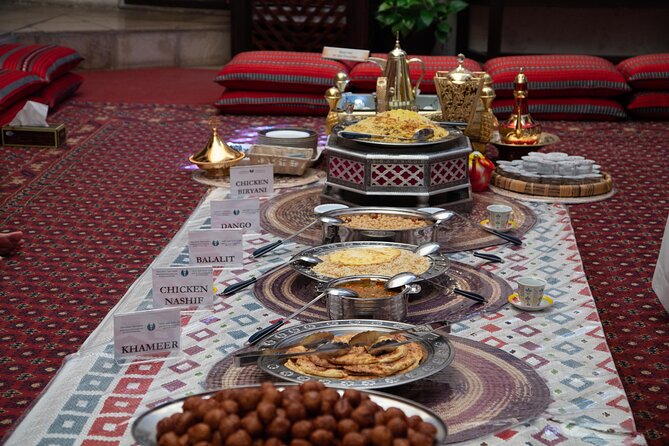
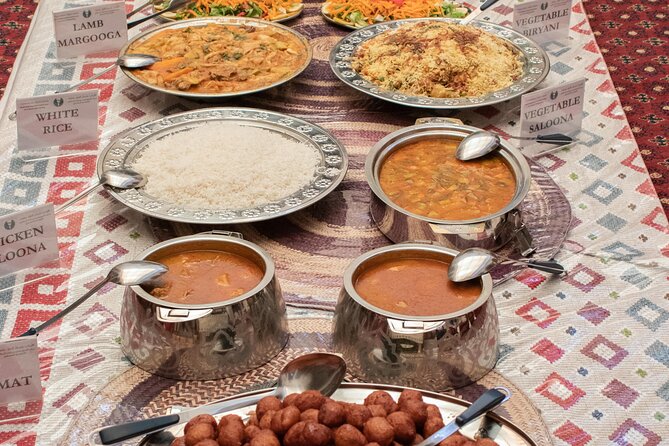
Food is central to the experience, but it is important to keep your expectations realistic. You receive authentic Emirati cuisine, though the precise dishes are not specified in the available details. The meal is described as generous and enjoyable, and the strongest food detail is ligamat, small fried donuts served with date syrup.
Ligamat offers a simple but very satisfying introduction to Emirati sweets. The donuts are crisp outside, soft inside, and coated with sweet syrup. They are the sort of dish that gives a cultural meal a clear sense of place, rather than feeling like an ordinary international lunch.
Water, Arabic coffee, tea, and dates are included. The meal is available as breakfast, lunch, or dinner, which makes the activity easier to fit around a Dubai itinerary. A morning booking may work well before exploring the creek area, while lunch or dinner gives you a natural pause during a day in old Dubai.
One point deserves attention. One participant felt the food did not fully match expectations of a distinctly Emirati meal. If you are booking mainly for a food tour with a detailed menu and many tastings, this may not be the right choice. If you see the meal as part of a cultural exchange, the value is stronger.
The conversation is the real main course
The strongest feature is the open question-and-answer session. The presenter discusses Arabic culture, Islam and its effect on local culture, social values, sensitivities, greetings, expressions, and personal anecdotes.
You can ask direct questions in a comfortable setting. Past questions have covered Emirati dress, customs, Muslim beliefs, family life, and how people eat with their hands. The presenters are described as kind, funny, and easy to talk to, with Abdullah receiving special thanks for answering a wide range of questions.
The clothing discussion can be especially useful. Traditional garments are not simply decorative costumes. They can lead to a better understanding of modesty, identity, climate, and social expectations. A dress-up element may also be offered at the end, adding a light and playful moment to the program.
The session can help correct quick assumptions. Dubai is highly international, but Emirati culture has its own traditions and social rules. A direct conversation gives you room to ask what you have noticed during your visit, while a local presenter can explain the meaning behind it.
This is also a respectful way to ask about Islam. You can discuss how faith affects local culture and daily practice without relying on guesswork. The setting encourages honest questions, and the program specifically allows discussion of cultural sensitivities.
Same base, a completely different kind of day:
- Dubai: Safari, Quad Bike, Camel Ride, and Buffet Dinner
★ 4.9 · 33,424 reviews - Dubai: Red Dune Safari, Quad Bike, Camel Ride, BBQ Dinner
★ 4.9 · 32,185 reviews - Dubai: Premium Safari, Camel Ride & Al Khayma Camp 3-Buffets
★ 4.9 · 30,335 reviews - From Dubai: Abu Dhabi Premium Full-Day Sightseeing Tour
★ 4.9 · 26,728 reviews
Why the small group matters
The maximum group size is nine people. That is a useful limit for a discussion-based activity, since a large crowd would make it harder for everyone to speak.
With fewer people at the table, you can ask a follow-up question instead of waiting through a long line of raised hands. You also get a better chance to hear different interests, from food and greetings to family traditions and religious practice.
The small size does not guarantee a private meal. You may still be sharing the session with other participants. But it makes the experience more personal than a standard bus tour or a large cultural demonstration.
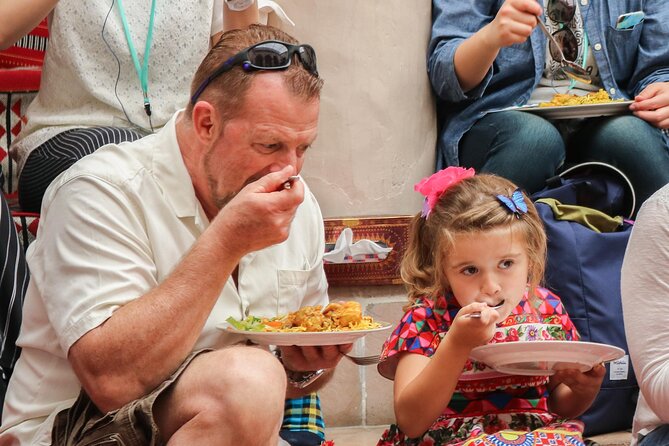
Families can take part, though children must be accompanied by an adult. Most people can participate, and service animals are allowed. Since the program centers on conversation and eating, it suits anyone who enjoys asking questions and listening closely.
How to get the most from the 90 minutes
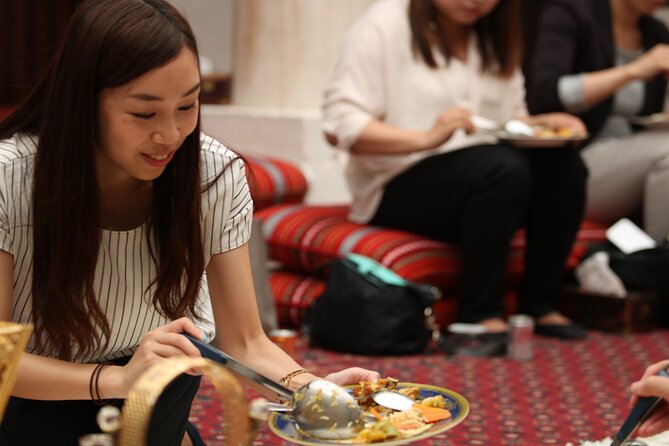
Come with questions. The discussion is guided by what people at the table want to know, so a little preparation can make the session more useful.
You might ask:
- How do Emirati clothing styles relate to climate and custom?
- Which Arabic greetings should visitors learn?
- How does Islam influence daily routines and social manners?
- Which foods are commonly served at home?
- What should visitors understand about local sensitivities?
- How has Dubai changed while older traditions remain important?
You do not need a background in Gulf history or Islamic culture. The point is to ask plainly and listen to the answer. The presenters are there to explain, not to test you.
I would also avoid planning another tightly timed attraction immediately afterward. The stated duration is about 1 hour and 30 minutes, but conversation-based programs can feel less rigid than a timed museum visit. Since the activity ends back at the meeting point, you can then explore Al Fahidi at your own pace.
Pair it with an old Dubai walking day
This meal makes the most sense as part of a larger visit to old Dubai. You can walk around Al Fahidi before or after the session, taking in the lanes and traditional architecture while the cultural discussion is still fresh.
The setting gives you a useful starting point for understanding the neighborhood. You will have heard about local values, greetings, clothing, food, and faith, then you can look at the older houses and courtyards with more context.
It is also a good counterpoint to Dubai’s modern attractions. A skyscraper can show you what the city has become. This experience helps explain some of the people, customs, and built traditions that existed before the high-rises transformed the skyline.
I would not treat the activity as a complete history tour of Dubai. It focuses on culture and daily life rather than a long chronological account. If you want dates, archaeology, or an extended architectural tour, you will need another attraction as well.
Is $36.28 a fair price?
At $36.28 per person, the price includes the meal, water, Arabic coffee, tea, dates, and the cultural Q&A. It does not include transportation, so you need to budget for reaching Al Fahidi.
The value depends on what you want from the visit. For a full restaurant meal alone, you may find less expensive options. But this is not only a meal. You are paying for a hosted cultural exchange in a traditional house, with a small group and access to a local presenter.
The experience is particularly good value early in a Dubai trip. It can give you useful context for the rest of your stay, from how to greet people to how to think about local clothing and religious customs. One participant specifically felt it should be among the first activities booked in Dubai, and I understand that view.
The 97 percent recommendation rate and 4.8 rating from 150 reviews suggest consistently strong satisfaction, though the food expectation issue is worth keeping in mind. The most praised features are the welcoming hosts, honest conversation, educational content, and generous food portions.
Who should book this experience?
I would recommend it to first-time visitors who want more than Dubai’s polished surface. It is also a strong choice for families, couples, and curious eaters who like learning through conversation.
It suits you if:
- You want a respectful introduction to Emirati culture.
- You have questions about Islam and local customs.
- You enjoy meals that come with stories and context.
- You prefer small groups to large organized tours.
- You plan to explore Al Fahidi afterward.
- You want a short activity that fits around other plans.
You may want to skip it if your main goal is a detailed food crawl. The available information does not promise a specific multi-course menu, and one participant found the food less traditionally Emirati than expected.
You should also think twice if you prefer a guide to deliver a fixed lecture from beginning to end. The conversation is shaped by the questions people ask. That is a strength for curious participants, but less ideal if you want a precise script and a set list of historical facts.
Booking and cancellation details
The price is $36.28 per person, and the activity is commonly booked well ahead, with an average booking time of 36 days in advance. Confirmation is sent within 48 hours, subject to availability.
You can choose breakfast, lunch, or dinner. The activity uses a mobile ticket, begins at the Sheikh Mohammed Centre for Cultural Understanding, and ends at the same meeting point.
Free cancellation is available if you cancel at least 24 hours before the start time. Cancellations or changes made less than 24 hours ahead are not refunded or accepted. The activity also requires a minimum number of participants, so if that minimum is not met, you will be offered another date or experience, or a full refund.
Should you book the Emirati cultural meal?
Book it if you want a friendly, direct introduction to Emirati life, especially at the start of your Dubai visit. The setting, coffee, dates, local food, and open discussion work together better than any one part alone.
Go in expecting a conversation rather than a formal class, and prepare questions before you arrive. If you do that, the 90 minutes can give you a more useful understanding of Dubai’s people and customs than another quick photo stop.
Skip it only if you want a tightly scripted history tour or a menu-focused food experience. For most visitors seeking human contact and practical cultural context, this is a worthwhile use of $36.28, particularly when paired with an afternoon or evening walk through Al Fahidi.
FAQ
Where does the cultural meal take place?
It takes place at the Sheikh Mohammed Centre for Cultural Understanding in a traditional wind-tower house in the Al Fahidi neighborhood of Dubai.
How long does the activity last?
The experience lasts approximately 1 hour and 30 minutes.
What food and drinks are included?
The visit includes authentic Emirati cuisine, water, Arabic coffee, tea, and dates. Ligamat donuts with date syrup are among the local specialties served.
Can I choose breakfast, lunch, or dinner?
Yes. The experience is offered as a breakfast, lunch, or dinner tour.
Is transportation included?
No. Transportation to and from the attraction is not included. You need to make your own way to the meeting point.
Where does the activity end?
It ends back at the Sheikh Mohammed Centre for Cultural Understanding, the same location where it begins.
How many people can join the experience?
The activity has a maximum of nine participants.
Are children allowed?
Yes. Children can participate, but they must be accompanied by an adult.
Are service animals allowed?
Yes. Service animals are allowed on the activity.
What is the cancellation policy?
You can cancel up to 24 hours before the start time for a full refund. Cancellations or changes made less than 24 hours before the start time are not accepted or refunded.
Just added around Dubai
- Morning Desert Safari Dubai Private Tour★ 4.5 · 22 reviews
- Dubai Morning Desert Safari Red Dune Camel Falcon & Sandboarding★ 5.0 · 21 reviews
- Private Premium Dubai Desert Safari with Camel Ride and Live Show★ 5.0 · 13 reviews
- Dubai: Private Photoshoot with Hotel Pickup & Drop-off★ 5.0 · 67 reviews
- Private Panoramic Dubai City Night View Tour★ 4.0 · 8 reviews
- Private Morning Desert Dune Bashing, Sandboardin, Camel Riding★ 4.5 · 11 reviews
- Private Desert Safari with Dune Bashing and Sandboarding★ 5.0 · 10 reviews
- Morning Desert Safari with Dune Bashing & Camel Ride★ 5.0 · 40 reviews
Dubai Tours, compared.
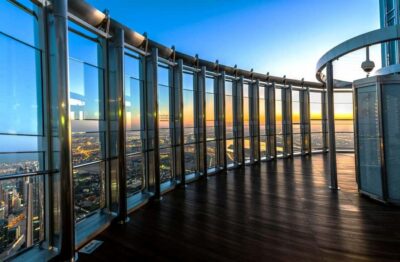
Burj Khalifa Levels 124 & 125 Entry Ticket + Options
Read our review →
Desert Safari, Quad Bike, Camel Ride & Al Khayma Camp
Read our review →
Safari, Quad Bike, Camel Ride, and Buffet Dinner
Read our review →
Red Dune Safari, Quad Bike, Camel Ride, BBQ Dinner
Read our review →
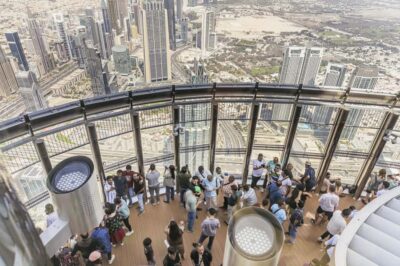
Burj Khalifa Sky Level 148, 124, & 125 Entry Ticket
Read our review →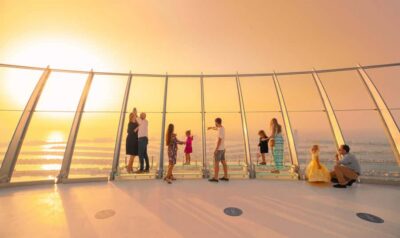
The View At The Palm Observatory Entry Ticket
Read our review →