Reviewed · DUBAI TOURS
Old Dubai Gold Souk and Water Taxi
Dubai’s glittering skyline tells only half the story. This four-hour Old Dubai tour takes you to the creek, where wind-tower homes, wooden abras, spice stalls, and gold shops show how the city looked before the skyscrapers arrived. I like the mix of walking, museum time, and a short boat ride, and I like that hotel or cruise-port transfers and admission fees are included.
The tour also adds the Women’s Museum, a private fashion show, Jumeirah Mosque, and a drive past Burj Al Arab. The main caution is pace: some stops can feel brief, and poor pickup communication or a long wait for another passenger can eat into your morning.
Key points at a glance
- A wooden abra crosses Dubai Creek: The short water-taxi ride links the historic Al Fahidi side with the Spice Market and Gold Souk.
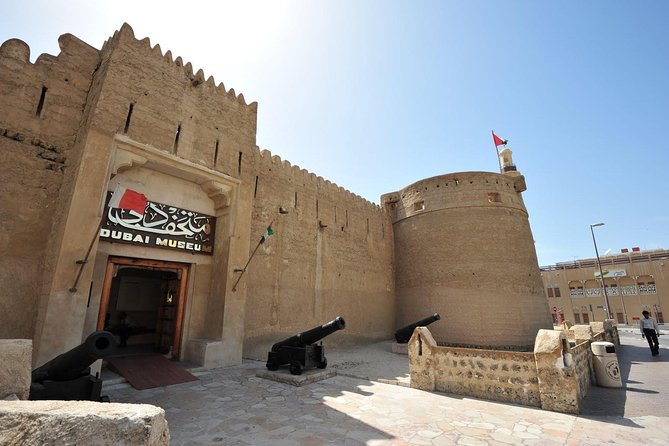
- Al Fahidi Fort anchors the morning: Dubai’s oldest existing building houses the Dubai Museum and city exhibits.
- The souks are for atmosphere as much as shopping: You can browse spices and gold, but the schedule may not leave enough time for serious bargaining.
- Several sights are photo stops: Jumeirah Mosque and Burj Al Arab add useful city context, though the mosque stop may be short.
- Transfers are included: Pickup and drop-off are offered at hotels and cruise ports, a practical plus in spread-out Dubai.
- Expect a small-group setting: The maximum group size is 25, with a minimum of two people required to book.
What the $45 Old Dubai tour really offers
At $45 per person, this is priced as an easy introduction rather than a specialist history walk or a dedicated shopping trip. You are paying for roughly four hours of transport, a driver-guide, included admissions, the abra crossing, and a route that strings together several parts of the city.
That can be good value if you are staying outside the old quarters or arriving by cruise ship. Dubai’s attractions are spread out, and arranging separate taxis to Al Fahidi, the creek, the souks, the Women’s Museum, Jumeirah Mosque, and Burj Al Arab would take planning and time.
I would not choose it mainly to buy gold or spices. The souk portion gives you a look around, but the fixed schedule may not allow long price discussions. If shopping is your top goal, visit the souks independently and give yourself a much larger block of time.
The tour is booked, on average, about 19 days ahead. That suggests you should not leave it until the last morning of a short Dubai stay, especially if you need a particular date or are traveling during a busy period.
A few more Dubai half-days to weigh up
- Dubai: Burj Khalifa Levels 124 & 125 Entry Ticket + Options
★ 4.3 · 90,891 reviews - Dubai: Desert Safari, Quad Bike, Camel Ride & Al Khayma Camp
★ 4.9 · 68,962 reviews - Dubai: Desert Safari, Quad Bike, Camel Ride and Sandboarding
★ 4.9 · 43,505 reviews
Starting in Al Fahidi Historical Neighbourhood
The morning begins with pickup at about 8:30 a.m. from your hotel or cruise ship. Once everyone is aboard, the route heads toward Dubai Creek and the Al Fahidi Historical Neighbourhood, also known as Bastakiya in the tour description.
This is the right place to begin. Before oil wealth and modern construction reshaped Dubai, merchant families built compact homes around courtyards and fitted them with wind towers. These towers helped move air through the buildings in the hot climate. Their simple form gives the district a strong sense of place, especially compared with the glass towers elsewhere in the city.
You can expect narrow lanes, restored merchant houses, art galleries, cafés, and boutique hotels. The area is not large, which makes it workable on a half-day visit, but the schedule matters. A one-hour allocation here and at the museum gives you enough time to look around and take photos, not enough for a slow architectural study.
I like this opening because it puts Dubai’s present-day wealth in context without asking you to spend a full day in a museum. Pay attention to the building details above eye level. The wind towers are the feature most likely to be missed if you hurry from one stop to the next.
Inside Al Fahidi Fort and Dubai Museum
The next major stop is Al Fahidi Fort, described as Dubai’s oldest existing building. It now houses Dubai Museum, with archives and exhibits tracing the city’s development.
The museum helps explain the leap from creek-based trading community to global business center. You can expect displays connected with old Dubai and its development, rather than a large modern museum complex. The value here is scale and setting: the exhibits sit inside the fort, so the building itself is part of the visit.
Admission is included, which removes one small cost and keeps the group moving. Still, do not expect the museum alone to fill an entire morning. The listed time for this first section is one hour, and that includes the surrounding historic district as well as the museum.
If you like to read every panel, you may feel rushed. I would focus on the broad story, the fort’s rooms, and any displays that help you understand daily life before the modern city. Your guide can add useful explanation as you move through the site, though the quality of the morning will depend in part on the individual guide assigned to your group.
Crossing Dubai Creek by traditional abra
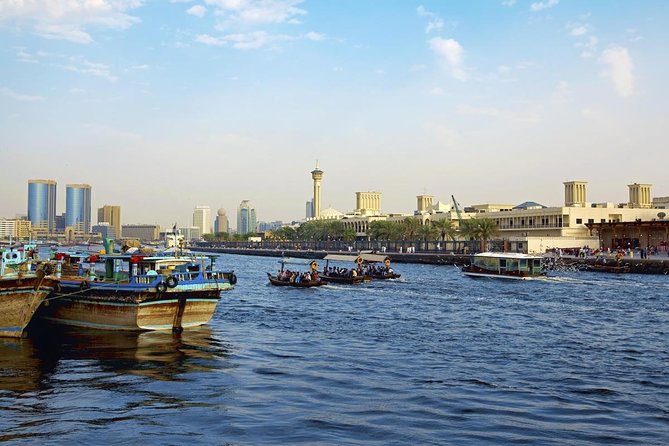
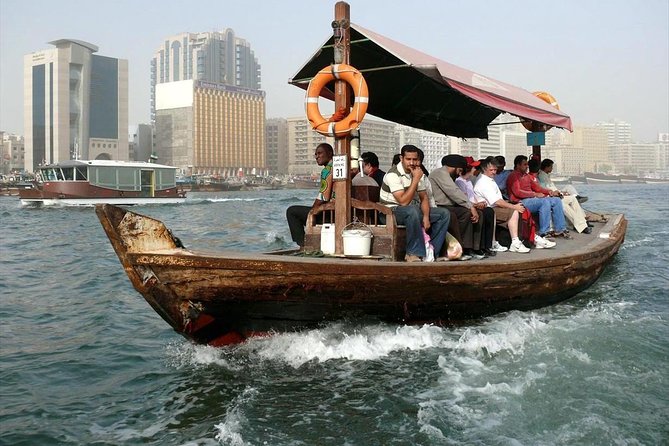
The tour’s most memorable transition is the abra ride across Dubai Creek. An abra is a small traditional wooden water taxi, and the crossing connects the old neighborhood with Deira, the side of the creek known for its markets.
This is not a long cruise, and it should not be sold as one. Its appeal is practical and local. For a few minutes, you are moving between the two historic halves of Dubai by the same kind of small boat that has long served the creek.
The water gives you a different view of the city. Look back toward the low historic buildings, then across toward the commercial side of Deira. You will also get a break from walking before the markets.
The abra is a simple public-style boat, not a private luxury vessel. If you are expecting cushioned seats, commentary, or a scenic harbor cruise, adjust your expectations. The short crossing works because it fits the place. I would much rather have this brief ride than another transfer in a van.
Same base, a completely different kind of day:
- Dubai: Safari, Quad Bike, Camel Ride, and Buffet Dinner
★ 4.9 · 33,424 reviews - Dubai: Red Dune Safari, Quad Bike, Camel Ride, BBQ Dinner
★ 4.9 · 32,185 reviews - Dubai: Premium Safari, Camel Ride & Al Khayma Camp 3-Buffets
★ 4.9 · 30,335 reviews - From Dubai: Abu Dhabi Premium Full-Day Sightseeing Tour
★ 4.9 · 26,728 reviews
Spice Market: scents, stalls, and a short visit
After crossing the creek, the group visits the Spice Market. This is where the tour shifts from architecture and museum displays to shopping streets and sensory detail.
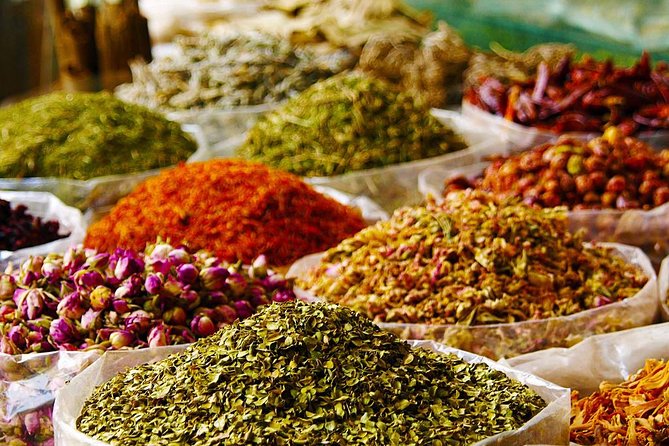
You might find sacks, jars, and displays of spices, dried goods, and other market products. The stop is useful even if you do not plan to buy anything, since it shows the trading side of old Dubai and gives you a chance to compare the market with the polished malls that dominate the modern city.
Keep your wallet and schedule in mind. A guided souk visit can include stops at shops selected along the route, and the time available may be limited. One useful piece of advice from the experience is to avoid assuming you can complete a careful shopping mission here. A past participant found there was not enough time to bargain and buy, which matches the way this four-hour route is built.
If you want spices, ask about prices and quantities before committing. If you are only browsing, enjoy the color and smells, then keep moving with the group. The tour is better for first impressions than for serious market negotiation.
Gold Souk and the limits of group shopping
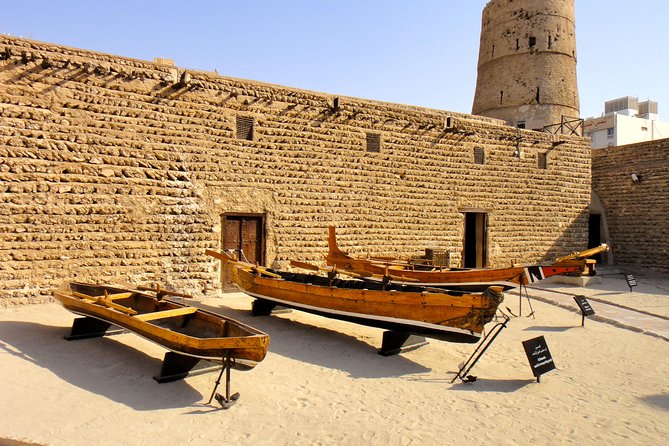
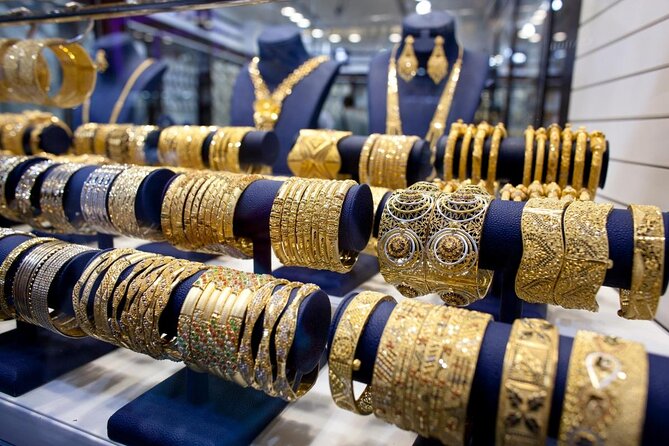
The Gold Souk is the next major market stop. Even if you have no plan to purchase jewelry, the shop windows offer a quick look at Dubai’s long connection with gold trading and luxury retail.
You can browse necklaces, bracelets, rings, and other pieces, but remember that this is a sightseeing tour with several more stops. You may have time to compare displays and ask questions, but not enough time to visit many shops, bargain at length, and make a careful purchase.
The Gold Souk is also a place where group timing matters. If one person wants to negotiate and another wants only photos, the guide has to keep the whole party together. That is one reason I would treat the market visit as an introduction. Return on your own later if you find something you want to examine seriously.
This is also where the included transport is most useful. Once you have crossed the creek and visited both markets, you do not have to work out your own route back to the hotel. The trade-off is less freedom than an independent visit.
The Women’s Museum and private fashion show
The tour also includes the Women’s Museum and a private fashion show. These additions make the morning broader than a standard fort-and-souk route.
The museum offers another way to look at Dubai, focusing on women’s place in the country’s social and cultural story. It breaks up the market portion and gives the day a subject that many general city tours leave out.
The private fashion show adds a presentation element. Exact details about its length and format are not provided, so you should expect a scheduled demonstration rather than an open-ended cultural program. If you prefer history and street scenes, this may feel like an extra stop. If you enjoy clothing, design, and a guided presentation, it gives the tour more variety.
Because several sights are packed into four hours, the amount of time here may vary with traffic and group pace. I would regard it as an added feature, not the main reason to book.
Jumeirah Mosque and Burj Al Arab from the road
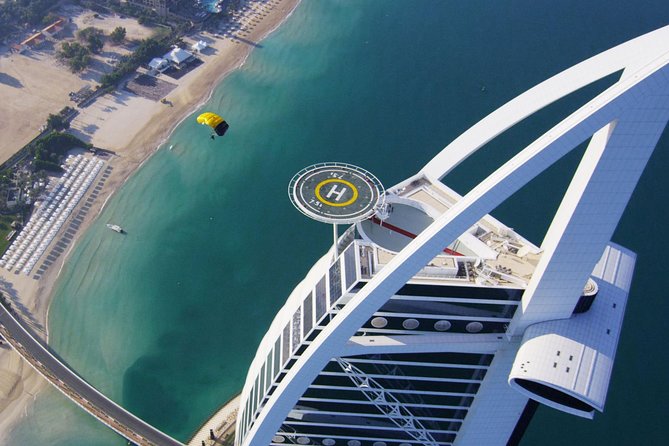
The itinerary includes a stop at Jumeirah Mosque, followed by a drive past the Burj Al Arab. These two sights show the contrast between traditional Dubai and its modern international image.
The mosque stop is primarily for photographs. You may be let out near the road for a short visit, with one account describing about ten minutes. That is enough for exterior pictures, but not enough for a relaxed visit or a detailed look inside.
The Burj Al Arab is a drive-by, not an interior tour. You can photograph the sail-shaped hotel from the permitted roadside area or during the transfer, but admission to the hotel is not part of this experience.
I like these stops as visual bookends. They help you connect the old creek districts with the famous landmarks used to represent Dubai worldwide. Just do not mistake them for full visits. If you want extended mosque time or a hotel experience, you will need a separate plan.
Guides, group size, and the human factor
The tour includes a driver-guide, and the maximum group size is 25. That is not an intimate private tour, but it is still small enough for a guide to manage the stops and answer basic questions.
The strongest part of the experience can be the person leading it. Several accounts describe guides as attentive, respectful, trustworthy, and helpful, including one guide who made solo American women feel comfortable. Another guide was praised for clear directions and smooth movement between sites.
At the same time, the experience is not perfectly consistent. One guide was described as well informed but less enthusiastic about the area. That matters in Old Dubai, where a guide’s stories can turn plain walls and market stalls into meaningful sights.
A practical issue is the pickup. One group had to call to confirm the meeting time and place, then waited about 40 minutes in the vehicle for another passenger. I would confirm your pickup details before the morning begins, especially if you are leaving from a cruise port or have a later flight.
Walking, clothing, and timing
You should have a moderate level of fitness for this tour. There is walking through historic lanes and souks, time on your feet at several stops, and movement between the vehicle, markets, museum, and abra.
Wear comfortable walking shoes. Smart-casual clothing is required, and conservative dress is the sensible choice for religious and historic areas. A current valid passport is required on the day of the tour, so keep it with you rather than leaving it in your hotel room.
The early start is useful. Beginning at 8:30 a.m. gives you a chance to see the old districts before the day becomes more tiring. It also leaves part of the afternoon free, though traffic and pickup delays can affect the finish.
Food and drinks are not included. Eat before pickup or bring what you need, since the route is focused on sightseeing and does not promise a meal stop.
Who should book this Old Dubai route?
I would choose this tour if you have one free morning and want a guided introduction to Dubai beyond malls and skyscrapers. It suits first-time visitors, cruise passengers, couples, and solo visitors who prefer arranged transport and a clear route.
It also works well if you want several distinct experiences in one outing: old houses, a fort museum, a wooden water taxi, spice stalls, gold shops, a women-focused museum, a fashion presentation, and exterior views of major landmarks.
I would think twice if you want long museum visits, serious souk shopping, or plenty of time at Jumeirah Mosque. You may also prefer independent sightseeing if you dislike waiting for other people or being taken to additional commercial stops, such as an art gallery, that are not central to your priorities.
The free cancellation policy is useful: cancel at least 24 hours before the local start time for a full refund. Within 24 hours, the payment is not refunded, and late changes are not accepted.
Should you book it?
Book this Old Dubai Gold Souk and Water Taxi tour if convenience matters as much as depth. At $45, included transfers, admissions, a driver-guide, and the abra ride make it a sensible way to cover a wide section of the city in four hours.
Go in with the right plan: enjoy the historic district, learn the basic story at the fort, take the creek crossing, browse the markets, and treat Jumeirah Mosque and Burj Al Arab as short landmark stops. Confirm pickup details, wear good shoes, carry your passport, and do not count on enough time for serious bargaining.
If those limits suit you, this is a useful first look at Dubai’s older side. If you want to set your own pace, spend an hour negotiating for gold, or study every museum display, use the tour as a map of places to revisit independently.
FAQ
How long does the Old Dubai Gold Souk and Water Taxi tour last?
The tour lasts approximately four hours.
What time does the tour start?
The stated start time is 8:30 a.m.
Is hotel pickup included?
Yes. Hotel pickup and drop-off are included.
Can I be picked up at a cruise port?
Yes. Port pickup and drop-off are included.
Is the abra water-taxi ride included?
Yes. The tour includes a traditional wooden abra crossing Dubai Creek.
Are admission fees included?
Yes. Entrance fees are included, but food and drinks are not.
What should I wear and bring?
Smart-casual clothing is required, comfortable walking shoes are recommended, and you must carry a current valid passport on the day of travel.
Just added around Dubai
- Morning Desert Safari Dubai Private Tour★ 4.5 · 22 reviews
- Dubai Morning Desert Safari Red Dune Camel Falcon & Sandboarding★ 5.0 · 21 reviews
- Private Premium Dubai Desert Safari with Camel Ride and Live Show★ 5.0 · 13 reviews
- Dubai: Private Photoshoot with Hotel Pickup & Drop-off★ 5.0 · 67 reviews
- Private Panoramic Dubai City Night View Tour★ 4.0 · 8 reviews
- Private Morning Desert Dune Bashing, Sandboardin, Camel Riding★ 4.5 · 11 reviews
- Private Desert Safari with Dune Bashing and Sandboarding★ 5.0 · 10 reviews
- Morning Desert Safari with Dune Bashing & Camel Ride★ 5.0 · 40 reviews
Dubai Tours, compared.
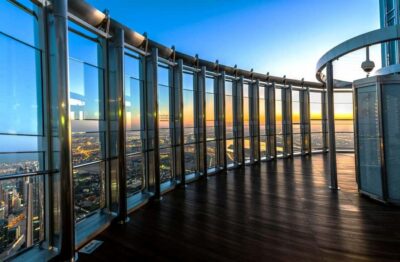
Burj Khalifa Levels 124 & 125 Entry Ticket + Options
Read our review →
Desert Safari, Quad Bike, Camel Ride & Al Khayma Camp
Read our review →
Safari, Quad Bike, Camel Ride, and Buffet Dinner
Read our review →
Red Dune Safari, Quad Bike, Camel Ride, BBQ Dinner
Read our review →
Burj Khalifa Sky Level 148, 124, & 125 Entry Ticket
Read our review →
The View At The Palm Observatory Entry Ticket
Read our review →