
Reviewed · MUSEUMS
Explore Old Dubai Al fahidi District Museums Markets Abra
Old Dubai is best understood on foot, and this tour links its most useful stops in one compact route. You move from Al Seef and the Al Fahidi lanes to the creek, then cross by traditional abra before finishing among the Spice and Gold Souks.
I like the small group of no more than 10 and the practical mix of storytelling, market advice, snacks, and a boat ride. I also like that guides such as Uzma and Hassan are named in the feedback, with Uzma especially praised for explaining spice-market customs and local culture in a warm, personal way.
The main consideration is that several museum stops are exterior visits only. Dubai Museum and Al Fahidi Fort are currently closed, and Al Shindagha Museum is also viewed from outside, so this is primarily a walking and souk tour rather than a museum-entry experience.
Key points about the Old Dubai walk
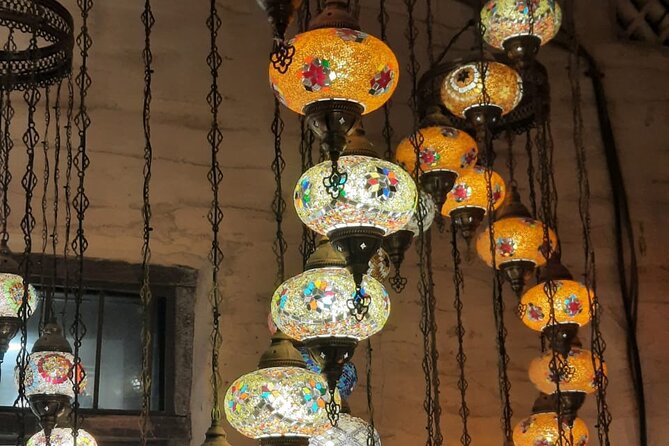
- Four hours through seven major stops: The route covers Al Seef, Al Fahidi, the Old Souk, Spice Souk, Gold Souk, and Al Shindagha, with the creek crossing between them.
- A traditional abra ride is included: You cross Dubai Creek in the small wooden boat used for short trips between creek stations.
- Guidance makes the markets easier: You receive tips on shopping, spices, local customs, and the older neighborhoods instead of wandering without context.
- The group is capped at 10 people: That gives you a better chance to hear the guide and ask questions than on a large coach tour.
- Snacks, water, and Wi-Fi are included: These are modest extras, but useful during a four-hour walk.
- The finish is convenient: You end at the Gold Souk, close to both Al Ras and Gold Souk Metro stations.
Why this route works for seeing Old Dubai
Dubai is often presented through towers, malls, and grand hotels. This experience gives you a different side of the city, one shaped by narrow lanes, creek traffic, market stalls, old courtyard homes, and traditional trade.
I like the route because it has a clear geographic flow. You begin on the Bur Dubai side of the creek, walk through historic areas, cross the water by abra, and finish in Deira. You do not need to work out how the different sights connect, and you avoid spending time researching which souks and older districts fit together.
The tour lasts about four hours. That is long enough to give Old Dubai proper attention, but short enough to fit around other plans. You should still expect a fair amount of walking and time outside. Comfortable shoes and clothing suited to Dubai’s heat will make the experience easier, although the supplied information does not specify the walking distance or shade available.
The small group matters here. In a market, a guide speaking to 10 people can point out details and answer questions more easily than someone leading a large crowd. The guide is also central to the experience. Uzma is praised for her explanations of the Spice Souk and local culture, while Hassan is described as covering the old area thoroughly in roughly three to four hours.
More museums and galleries in Dubai:
- Dubai: Museum of the Future Admission Ticket
★ 4.3 · 21,464 reviews - Dubai: Old Town, Creek, Museums, Souks, & Street Food Tour
★ 4.8 · 10,816 reviews - From Dubai: Abu Dhabi Grand Mosque & Louvre Museum Full-Day
★ 4.8 · 6,227 reviews
Al Seef, where old-style Dubai meets new design
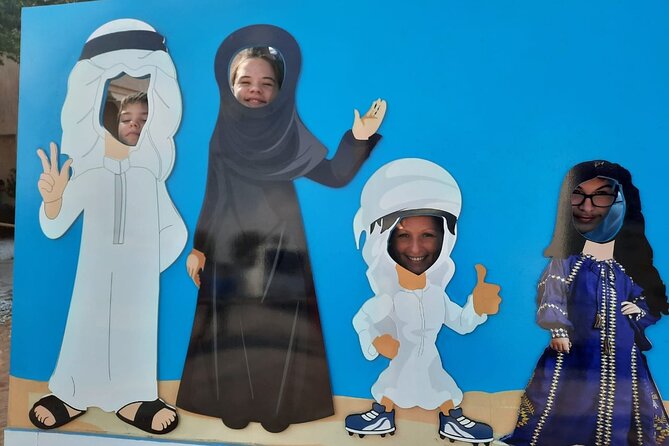
Your first stop is Souk Al Seef, a waterfront district designed around the look and feel of older Dubai. The route passes the Al Seef Heritage Hotel, traditional restaurants, souvenir shops, and the Smart Police Station.
This opening section helps you get your bearings. Al Seef presents an old-meets-new version of Dubai, with heritage-style streets and modern retail ideas in the same setting. It is not the untouched historic core, so you should see it as an introduction to the city’s traditional image rather than a preserved neighborhood in every detail.
The guide can also help you decide which souvenirs and food stops deserve your time. That advice is useful because the area combines dining, shopping, and photo opportunities. The stop is listed at about 20 minutes, so expect a concise orientation rather than a long meal or shopping session.
Al Fahidi Historical Neighbourhood and mid-19th-century life
From Al Seef, the tour moves into Al Fahidi Historical Neighbourhood. Here, the focus shifts from a recreated waterfront district to the older form of Dubai, with lanes and traditional buildings that help explain how people lived in the mid-19th century.
You pass by the Sheikh Mohammed bin Rashid Al Maktoum Centre for Cultural Understanding. The guide also provides information about the Coins Museum, Coffee Museum, and Arabian Tea House. These references give you useful choices for returning later, since the tour does not list entry to those places as part of the experience.
This is one of the most valuable sections for first-time visitors. Without a guide, it is easy to walk through Al Fahidi, take a few photographs, and miss the purpose of the buildings and lanes. A good explanation gives the neighborhood a human scale and helps you notice small details rather than treating it as a backdrop.
The stop lasts around 45 minutes, the longest scheduled visit on the route. That tells you where much of the historical explanation happens. If you want extended time inside the museums or a leisurely tea, you will likely need to return independently.
Al Fahidi Fort and Dubai Museum from the outside
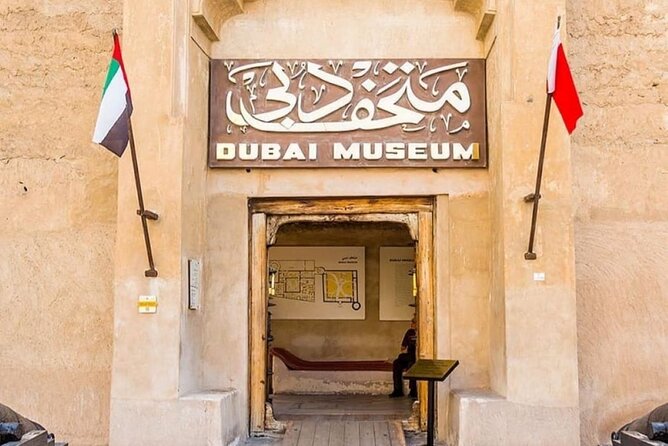
The next stop is Dubai Museum and Al Fahidi Fort, described as the oldest existing building in the city. The tour currently views the site from outside because it is closed.
That limitation matters. The fort is an important visual marker for Old Dubai, and the guide can explain its place in the city’s story, but you should not book this experience expecting an indoor museum visit. The stop is about 15 minutes, enough for photographs and outside commentary.
I see this as a useful pause rather than a major attraction on the tour. If Dubai Museum reopens in the future, the experience could change, but based on the current information, the value here comes from seeing the fort and learning about it, not from exhibits.
A few more Dubai half-days to weigh up
- Dubai: Burj Khalifa Levels 124 & 125 Entry Ticket + Options
★ 4.3 · 90,891 reviews - Dubai: Desert Safari, Quad Bike, Camel Ride & Al Khayma Camp
★ 4.9 · 68,962 reviews - Dubai: Desert Safari, Quad Bike, Camel Ride and Sandboarding
★ 4.9 · 43,505 reviews - Dubai: Safari, Quad Bike, Camel Ride, and Buffet Dinner
★ 4.9 · 33,424 reviews
The Old Souk and the short creek crossing
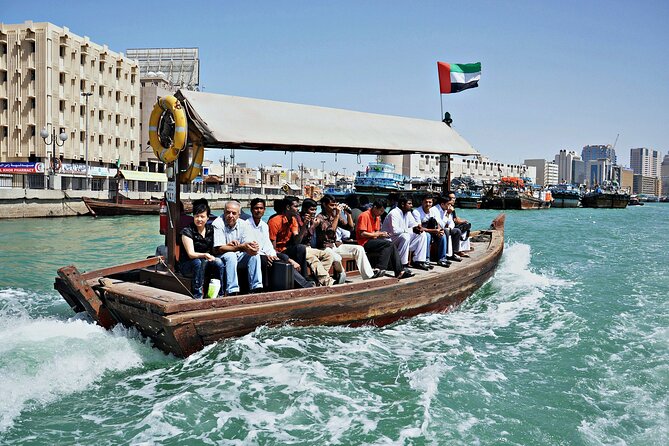
The Old Souk brings you closer to the commercial side of Old Dubai. It sits along Dubai Creek and has narrow lanes and stalls selling goods associated with the historic market area. The route also points toward the Textile Souk, where fabrics and patterns provide some of the area’s strongest color and visual interest.
You have about 30 minutes here. That is enough for an introduction and some browsing, but not a guarantee of time for serious shopping. If you see something you want, ask the guide about prices, quality, or where to return later. Market visits are more useful when you treat the first pass as research rather than feeling pressure to buy immediately.
Then comes the abra ride. The word abra means to cross in Arabic, and these small boats run every few minutes between four stations along Dubai Creek. This is a simple public crossing, not a long sightseeing cruise, but it is one of the tour’s most authentic moments. You get a practical taste of how people move between Bur Dubai and Deira, while also seeing the creek from the water.
The ride is included in the price. That is helpful because the crossing connects the walking route without requiring private transport.
Spice Souk: a guided look at flavors and customs
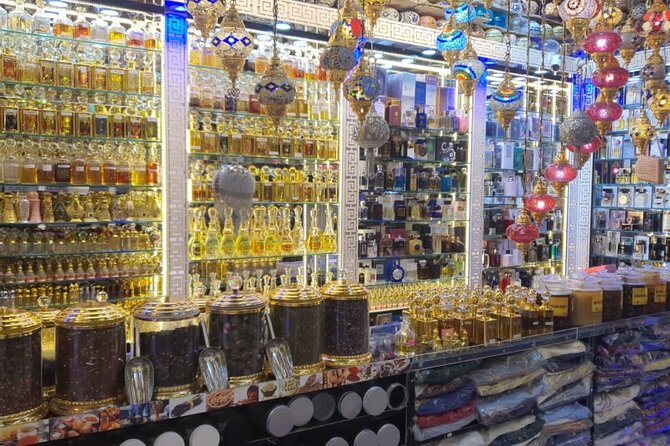
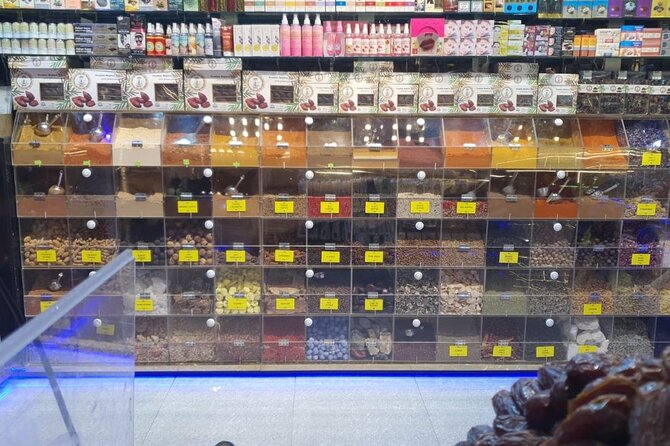
After crossing the creek, you reach Dubai Spice Souk. The stop is planned for about 20 minutes and focuses on new flavors, recipes, and the traditional market setting.
This is where the guide’s role can make a real difference. A spice market can be confusing if you do not know what you are looking at or how products are used. Uzma is specifically praised for making the Spice Souk understandable, explaining cultural details and keeping the tone friendly and relaxed.
You should still remember that this is a market, so shopping is part of the setting. The tour gives you advice and context, but it does not state that purchases are included. Ask questions before buying and compare prices if you want to take spices home.
The stop is fairly short. You will get a taste of the market, not a full cooking lesson or a long food workshop. Snacks are included during the experience, but the details of those snacks are not specified, so do not treat them as a replacement for a full meal.
Gold Souk and the Star of Taiba ring
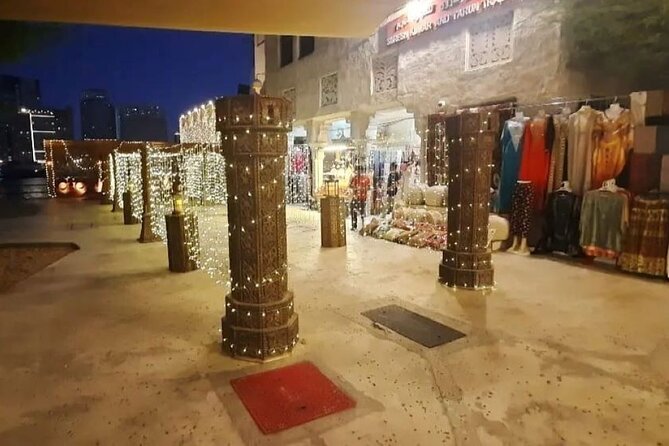
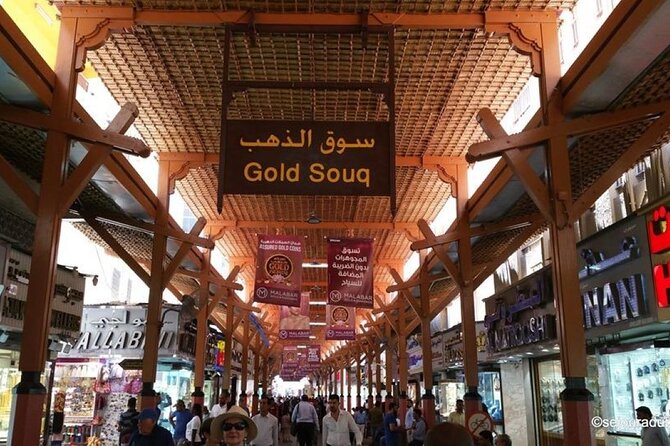
The final major market stop is Dubai Gold Souk. You walk through the gold bazaar and see designs made in different styles and carats. The tour also takes you to a view of the Najmat Taiba, or Star of Taiba, described as the world’s largest ring and estimated to cost $3 million.
This is a good finish because it gives you a clear sense of Dubai’s long connection with luxury goods and trade. You do not need to be shopping for jewelry to enjoy the scale of the displays. The guide can also help explain what you are seeing, which is more useful than simply walking past shop windows.
The scheduled time is about 30 minutes. Again, that works well for orientation and sightseeing, but anyone seriously shopping for gold should plan to return with more time. The tour ends here, so you can stay in the area after the group finishes if you want to browse further.
Al Shindagha Museum and the limits of the museum stops
The last listed stop is Al Shindagha Museum, visited from the exterior for about 15 minutes. This adds another historic setting to the route, but it does not include an indoor museum visit.
Taken together, the museum portions are the main weakness for anyone hoping to spend the day inside exhibits. Dubai Museum and Al Fahidi Fort are currently closed, and Al Shindagha is an exterior stop. I would book this for neighborhood context, market visits, and the creek crossing, not as a museum tour.
That said, an outside visit can still help you identify places to return to. The guide’s explanations give you a better sense of which cultural sites deserve a separate visit when open.
What the $31.36 price gives you
At $31.36 per person, this is a reasonably priced way to organize a half-day in Old Dubai. You receive a guide, the abra crossing, bottled water, Wi-Fi, snacks, and a route through several districts and markets. The small group is especially important to the value, since you are not paying for a large coach operation with a distant commentary.
You do not receive private transportation. You must reach the meeting point at Al Fahidi Marine Transport Station, beside D84 in the Dubai Creek area, and make your own way home from the Gold Souk.
For many visitors, the biggest saving is time and effort. You could visit these places independently, but you would need to plan the order, find the correct creek crossing, and research the historic sites and markets. The price is easiest to justify if you want explanation and structure rather than simply a self-guided walk.
The experience is often booked well ahead, with an average of 78 days in advance. That suggests you should reserve early if your Dubai dates are fixed, especially if you want the small-group format.
Meeting point, ending point, and getting around
The tour starts at the Al Fahidi Marine Transport Station Information and Ticket Office on the Bur Dubai side of Dubai Creek. The directions identify it as beside D84 in the Dubai Creek area.
The tour ends at Dubai Gold Souk in Deira, near Al Ras and Gold Souk Metro stations. Both stations are described as a five to seven-minute walk away, and you can also take a taxi from the area.
This one-way arrangement is convenient, but plan for it. You do not return to the starting point, so do not leave anything there or assume you will finish near your hotel. The end point also makes it easy to continue exploring Deira after the tour.
Confirmation arrives when you book, and the experience is near public transportation. Most people can participate, though the supplied details do not give a specific accessibility description or walking-distance estimate.
Who should book this Old Dubai experience
I would choose this tour if you are visiting Dubai for the first time and want a clear introduction to the older districts. It suits you especially well if you enjoy markets, local stories, short cultural stops, and a little structure in your day.
It is also a good fit if you prefer a small group and want to ask questions. The praise for Uzma and Hassan points to the guide’s personality as a major part of the experience, so the quality of the day may depend on who leads your departure. Uzma’s strength is explaining the Spice Souk and culture, while Hassan is noted for covering the old area fully.
I would be more cautious if your main goal is museum interiors, private transport, or extensive shopping time. The museum visits are outside only, the route moves at a group pace, and the listed market stops are brief.
Free cancellation is available if you cancel at least 24 hours before the start time. Changes or cancellations inside that window are not accepted for a refund, so keep that deadline in mind.
Should you book it?
Book this if you want the main sights of Old Dubai arranged into a sensible four-hour walk, with a guide, snacks, water, Wi-Fi, and an included abra crossing. The $31.36 price is fair for the route and small group, especially if you would otherwise spend time piecing the day together yourself.
Skip it if you want long museum visits or a private tour. For most first-time visitors who want history, markets, and a simple taste of everyday creek travel, this is a practical introduction to the older side of Dubai.
FAQ
How long does the Old Dubai tour last?
The experience lasts approximately four hours.
How many people can join the tour?
The group is capped at 10 travelers.
What is included in the price?
The tour includes bottled water, free Wi-Fi, snacks, and the abra boat ride.
Is private transportation included?
No. Private transportation is not included.
Where does the tour begin?
It begins at the Al Fahidi Marine Transport Station Information and Ticket Office on the Bur Dubai side of Dubai Creek, beside D84.
Where does the tour end?
It ends at Dubai Gold Souk in Deira, Dubai.
Is Dubai Museum open during the tour?
Dubai Museum and Al Fahidi Fort are currently closed, so the tour views them from outside.
How can I leave after the tour?
You can take a taxi from the Gold Souk area or walk about five to seven minutes to Al Ras Metro Station or Gold Souk Metro Station.
Can I cancel for a full refund?
Yes, if you cancel at least 24 hours before the experience start time. Cancellations made less than 24 hours in advance are not refunded.
Just added around Dubai
- Private Dune Buggy Safari With Sand Surfing And Camel Ride★ 5.0 · 8 reviews
- Private Evening Desert Safari Dubai Tour★ 5.0 · 28 reviews
- Dubai Private Sightseeing Tour with Professional Driver★ 5.0 · 30 reviews
- Private Evening Desert Safari Dubai 4×4 Vehicle with BBQ Dinner★ 5.0 · 131 reviews
- Dubai Personalised Sightseeing Tour in 4×4 Private Vehicle★ 5.0 · 240 reviews
- Layover & Stopover Half-Day Private Dubai Tour★ 5.0 · 13 reviews
- Private Dubai Sunset and Night Sightseeing Tour★ 5.0 · 26 reviews
- The Dubai Landmarks Tour★ 5.0 · 14 reviews
Museums, compared.
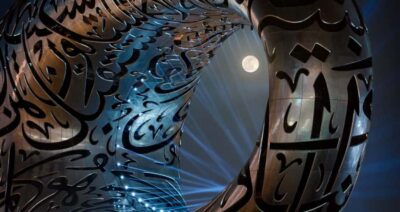
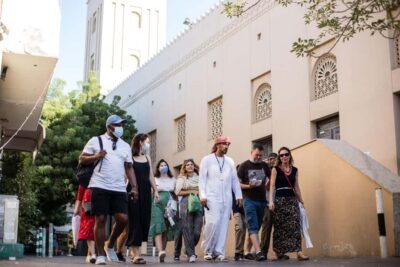
Old Town, Creek, Museums, Souks, & Street Food Tour
Read our review →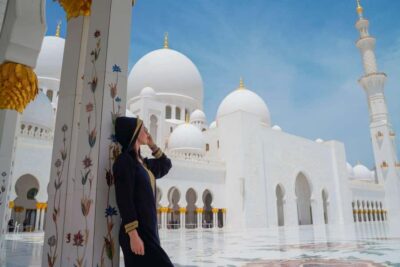
Abu Dhabi Grand Mosque & Louvre Museum Full-Day
Read our review →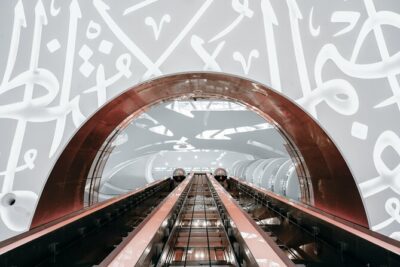


Abu Dhabi Day Tour with Grand Mosque & Louvre Museum
Read our review →
Future Museum, Burj Al Arab, and Dubai Frame Tour
Read our review →
Browse the lists this tour appears in