Reviewed · DUBAI TOURS
Explore the Backstreets of Old Dubai with an Insider
Dubai’s best stories are not told by its tallest towers. They begin in Deira’s old souks, where saffron, gold, fabric, and perfume still shape the daily rhythm, then continue across Dubai Creek by wooden abra. I like that this tour shows you a working side of the city instead of treating Dubai as one giant showroom. I also like the shared Arabian lunch, which gives the morning a relaxed, social finish.
The main consideration is the walking and heat. You will spend about four hours on foot, standing in markets and narrow lanes, so comfortable shoes, sun protection, and a fair level of fitness matter. The tour is also built around a pre-ordered, non-vegetarian shared meal, though a vegetarian option can be requested in advance.
Key points at a glance
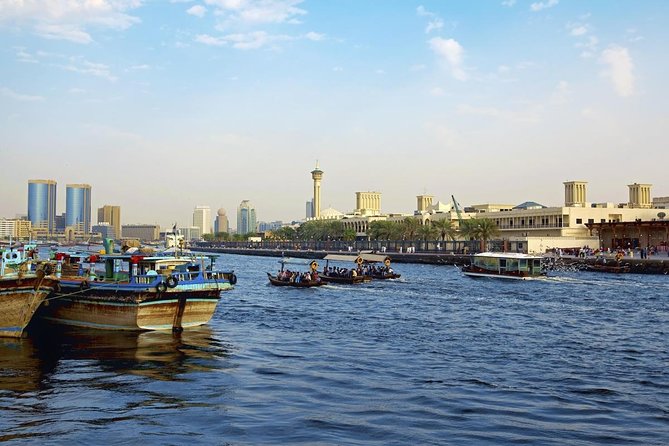
- Cross Dubai Creek by abra: The short wooden-boat ride connects Deira and Bur Dubai while giving you a fine view of the older waterfront and newer towers.
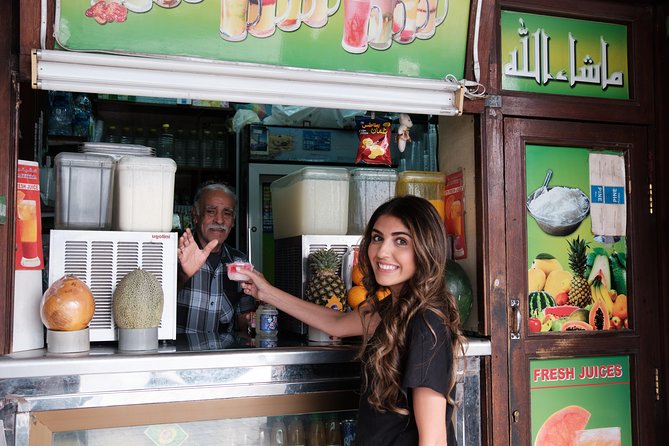
- Learn to bargain in the souks: Your guide can explain how to open with ktir ghalee, meaning too expensive, before you shop for spices, souvenirs, fabrics, or gold.
- Meet Nada, the guide: Nada Badran is repeatedly praised for her warm manner, clear explanations, and personal knowledge of Dubai’s culture.
- See Al Fahidi’s wind towers: Restored homes and traditional cooling towers reveal how people lived before air conditioning transformed the city.
- Share a local lunch: Several Arabian dishes are ordered for the table, letting you try different flavors without planning the meal yourself.
- Keep the group small: With no more than 12 people, you can ask questions and stay connected with the guide in crowded market lanes.
Why Old Dubai deserves half a day
Dubai can easily fill your schedule with observation decks, shopping malls, grand hotels, and record-breaking buildings. Those sights have their place, but they do not explain how this desert settlement grew into a global city.
This walk gives you that missing context. It links Deira, Dubai Creek, Bur Dubai, and Al Fahidi, areas tied to fishing, pearl trading, shipping, commerce, and family life. You get a clearer sense of Dubai before the highways and towers arrived.
I especially like the way the route moves through several kinds of old Dubai. The souks show commerce. The Creek shows movement and trade. The mosque introduces faith and architecture. Al Fahidi shows domestic life through its courtyards, sand-colored walls, and wind towers.
The experience lasts about four hours. A morning departure starts at 9:00 a.m., according to the meeting details, while the tour description also offers a morning or afternoon choice. Check the exact departure shown for your booking, since the meeting point and start time matter.
A few more Dubai half-days to weigh up
- Dubai: Burj Khalifa Levels 124 & 125 Entry Ticket + Options
★ 4.3 · 90,891 reviews - Dubai: Desert Safari, Quad Bike, Camel Ride & Al Khayma Camp
★ 4.9 · 68,962 reviews - Dubai: Desert Safari, Quad Bike, Camel Ride and Sandboarding
★ 4.9 · 43,505 reviews
Starting in Deira’s souks
You meet the guide and small group in Deira, one of the city’s oldest quarters. The area is close to public transportation, and the tour ends in Bur Dubai near Sharaf DG Metro Station, which makes it practical if you are arranging the rest of your day around the walk.
The first part takes you through the old market district. Deira is not a museum set. It is a place of shops, stalls, workers, shoppers, and sales pitches. That can feel busy, but it is precisely why the area is worth seeing with someone who can explain what you are looking at.
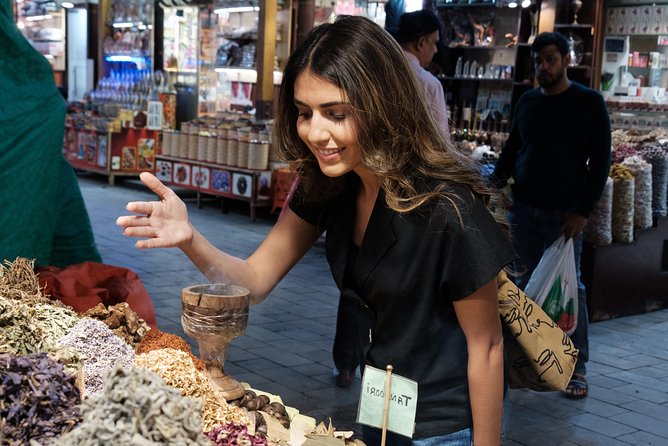
The spice souk is the most sensory stop. You might see saffron, dried herbs, dates, and other ingredients used across Arabian cooking. The guide introduces the origins and uses of the spices before you browse, so the market becomes more than a row of colorful displays.
This is also your best chance to buy small food gifts. Chocolate-dipped dates are among the items found here, along with the usual spice selections and souvenirs. Prices are not fixed in the same way they are in a department store, so ask your guide how to approach a purchase before you commit.
A practical tip: do not feel pressured to buy at the first shop. Walk, compare, ask questions, and use ktir ghalee, too expensive, as a friendly opening line. The value of having a guide here is not simply translation. It is having someone help you understand the rhythm of bargaining without turning the process into a stressful contest.
Gold, textiles, and the art of looking
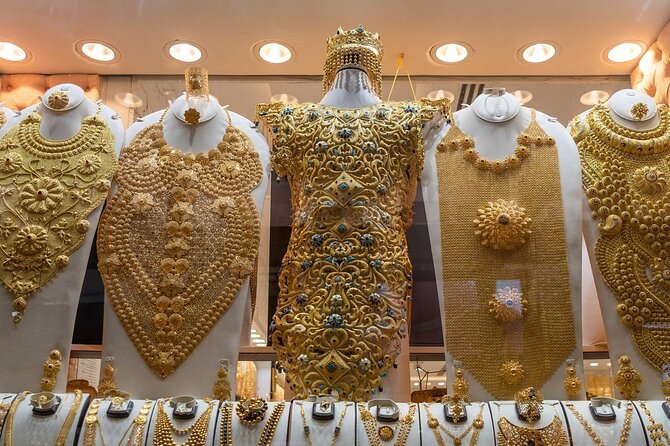
The Gold Souk brings a different mood. Its covered walkways pass more than 300 shops, with displays designed to catch the eye. Even if you have no intention of buying jewelry, it is worth walking through to see how gold fits into local commerce and festive traditions.
The guide explains the importance of gold during celebrations and why the metal holds such a strong place in the region’s shopping culture. You do not need to purchase anything. In fact, this stop works well for cautious shoppers because you can appreciate the scale and display of the market without treating it as a sales mission.
The Textile Souk follows with fabrics, scarves, traditional clothing, and inexpensive souvenirs. The guide introduces the national dress worn by men and women and explains how the garments are put on. This is a useful cultural stop because clothing can tell you a great deal about local custom, climate, modesty, and ceremony.
Some shops also carry familiar tourist items such as I heart Dubai shirts. That makes this stop less romantic than the old houses of Al Fahidi, but it is honest. Old Dubai is both a cultural district and a commercial area serving people who live there and people passing through.
Crossing the Creek by wooden abra
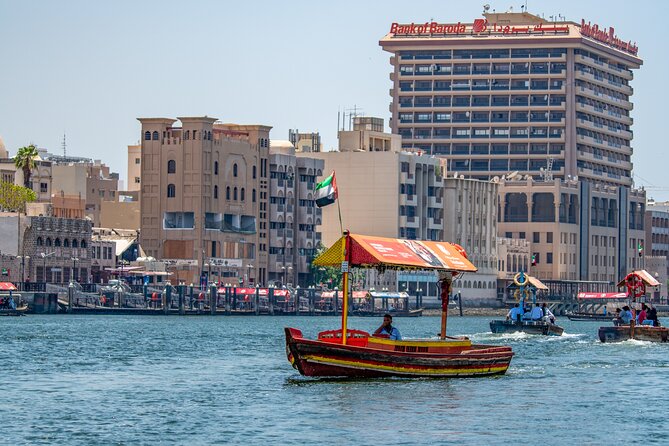
The abra ride is short, about 15 minutes, but it gives the tour a welcome change of pace. These wooden boats have long carried people across Dubai Creek, and the water crossing helps you see the relationship between Deira and Bur Dubai.
From the Creek, you can look back toward Deira’s high-rises while the boat carries you toward the older lanes on the opposite bank. The view connects Dubai’s past and present in a single glance. You are not just walking between attractions. You are following an old route through the city.
The boat ride is included in the price. It is also one of the most memorable parts of the experience because it feels different from a standard city walk. Keep your camera ready, but do not expect a long cruise. This is a practical crossing with sightseeing value, not a full waterfront excursion.
Same base, a completely different kind of day:
- Dubai: Safari, Quad Bike, Camel Ride, and Buffet Dinner
★ 4.9 · 33,424 reviews - Dubai: Red Dune Safari, Quad Bike, Camel Ride, BBQ Dinner
★ 4.9 · 32,185 reviews - Dubai: Premium Safari, Camel Ride & Al Khayma Camp 3-Buffets
★ 4.9 · 30,335 reviews - From Dubai: Abu Dhabi Premium Full-Day Sightseeing Tour
★ 4.9 · 26,728 reviews
The mosque and Dubai’s religious setting
The route includes a visit to the Grand Bur Dubai Masjid. The mosque was originally built in 1900 and is devoted to the study of the Quran. Here, the guide explains core Islamic beliefs and points out elements of the building’s architecture.
This stop adds depth to the market and neighborhood visits. You are given a chance to learn about Islam in a setting designed for worship and study, rather than receiving a quick explanation while passing a landmark.
Appropriate garments are provided at the mosque, so you do not need to pack special clothing for this stop. Still, light, respectful clothing is the sensible choice for the whole tour. You will be walking outdoors, and the tour information recommends light fabrics, a hat, sunglasses, sunscreen, and water.
The stop lasts about 35 minutes. As with any active religious place, follow the guide’s instructions and treat the setting with respect. The goal is to understand the space, not simply to take photographs.
Seeing the old fort from outside
The Dubai Museum is currently closed, but the route includes an outside view of the fort. The structure was built in 1787 as a residence for the monarch and later served as a defensive building. At one time, it was Dubai’s tallest structure.
You will not enter the museum, so do not book this tour expecting an indoor museum visit. The exterior stop is brief and works mainly as a history lesson. It helps explain the small scale and defensive needs of early Dubai before the city expanded outward.
This is a good example of why expectations matter. The tour offers historical context, not a long series of indoor exhibits. If you want museum galleries, you will need to make separate plans.
Al Fahidi’s wind towers and residential lanes
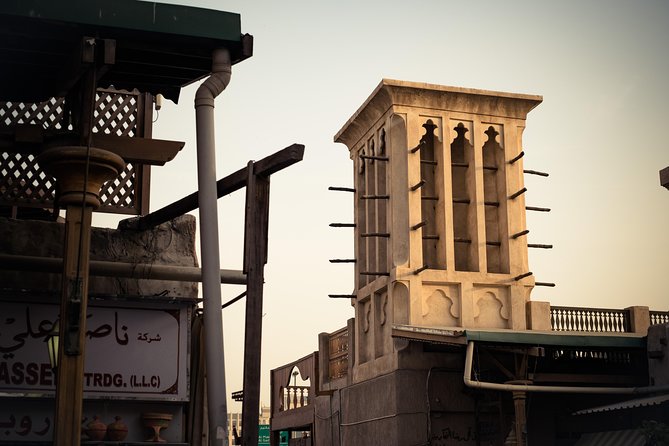
After crossing the Creek, you walk through Al Fahidi Historical Neighbourhood, formerly known as Al Bastakiya in many descriptions of Old Dubai. Persian merchants founded the residential quarter in the early 1900s, and its restored homes now frame narrow lanes and courtyards.
The wind towers are the architectural feature to watch for. Built to catch and direct air into the houses, they offered a cooling system before modern air conditioning. The guide explains how these structures worked and why their design suited the climate.
I find this part of the walk more rewarding than simply seeing a collection of old buildings. The houses show how families, merchants, and communities adapted to heat, limited resources, and close urban living. The sand-colored walls also create a sharp contrast with Dubai’s glass towers, but the important point is not the contrast itself. It is the practical intelligence behind the older buildings.
The neighborhood is restored, so it is not a untouched time capsule. Even so, the lanes offer a calmer setting after the market activity, and the guided explanation gives the architecture a human scale.
Lunch at Al Fahidi
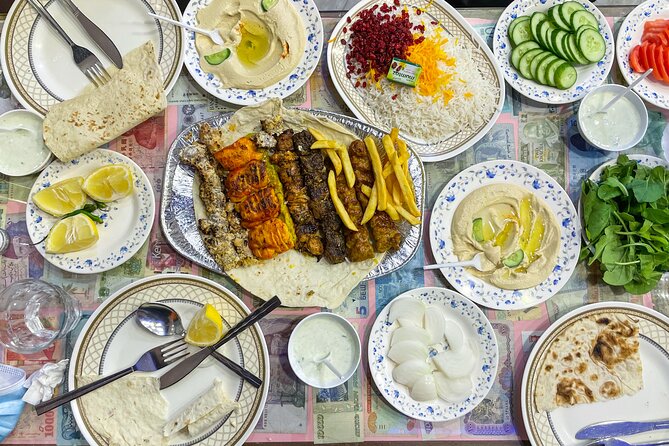
The tour ends with about an hour at a traditional restaurant in the Al Fahidi area. The guide pre-orders several Arabian dishes for the table, and you share the meal with the group. Bottled water and the meal are included.
This arrangement has two advantages. First, you can sample several dishes rather than ordering one plate without knowing what to expect. Second, it gives you time to talk with the guide and the other people in the group. Several guests specifically praised the food, and the meal was described as a highlight of the experience.
The meal is non-vegetarian and served on sharing platters. If you need vegetarian food, tell the operator when you book. A vegetarian option is available on request, but it is not something to leave until the restaurant visit.
Soda and other soft drinks are not included. Bring extra money if you want one. The lunch is not a cooking class or a formal food tasting, but it is a useful introduction to local flavors and spices in a relaxed setting.
The guide makes the difference
Nada Badran is the name most closely associated with this experience. The strongest praise centers on her ability to explain Dubai’s past, culture, customs, and present-day life in a friendly, engaging way.
That matters on a route where many sights could otherwise blur together. A spice shop is just a shop if you do not know how spices fit into regional cooking. A wind tower is just an attractive structure if you do not understand its purpose. A gold display is just jewelry if you do not know why gold remains important during celebrations.
Nada’s approach, as described through the experience, is personal rather than purely scripted. She answers questions, offers suggestions for other things to do in Dubai, and encourages conversation within the small group. One particularly useful benefit is that a smaller group lets you exchange stories and ask questions without shouting over a coach full of people.
The group limit is 12. That is small enough for a more connected walk, though the experience can still feel crowded in the souks because the markets themselves are active. The tour requires at least two people to operate, so a cancellation is possible if that minimum is not met.
What the $118.62 price covers
At $118.62 per person, this is not the cheapest way to walk around Old Dubai. The price makes more sense when you count what is bundled into the four hours: a guide, the abra crossing, mosque and other entrance fees, bottled water at the restaurant, and a substantial shared lunch.
You are also paying for the route design. You could visit the souks, cross the Creek, and walk through Al Fahidi independently. But you would need to research the history, understand the market etiquette, arrange your own food, and connect the stops in the right order.
I see the tour as good value for a first visit, especially if you want cultural context rather than a list of photo stops. Independent explorers who enjoy researching local history and negotiating on their own may prefer to save the money. The tour is most worthwhile for you if the cost of convenience, interpretation, and lunch fits your budget.
The tour does not include hotel pickup or drop-off. You need to reach the Deira meeting point yourself and arrange your own way back after finishing in Bur Dubai. The route is near public transportation, which helps, but check the precise meeting instructions before setting out.
Who should book this walk
This experience suits first-time Dubai visitors who want to balance the modern city with older neighborhoods. It is also a strong choice for repeat visitors. One repeat visitor described gaining a fuller view of Dubai’s people and culture after taking the walk, which points to its value beyond a quick introduction.
You should book it if you like walking, asking questions, trying shared food, and seeing ordinary commercial districts alongside restored heritage areas. It is a good fit for couples, families with older children, and solo visitors who prefer a small group to exploring the souks alone.
You may want to skip it if you dislike heat, standing, bargaining, shared meals, or moderate walking. Children must be accompanied by an adult, and everyone should be in reasonably good health and able to walk longer distances at a comfortable pace.
Wear comfortable shoes and light clothing. Bring water, sunglasses, a hat, and sunscreen. Dubai’s heat can make a four-hour walk feel longer than it looks on paper.
Booking and cancellation details
Confirmation is normally sent when you book. If you book within one day of departure, confirmation comes as soon as possible and depends on availability.
You can cancel up to 24 hours before the start time for a full refund. Changes or cancellations made less than 24 hours before the experience are not accepted for a refund. The tour also depends on good weather and the minimum group size of two. If the operator cancels for either reason, you can choose another date or request a full refund.
Should you book Explore the Backstreets of Old Dubai?
Book it if you want the Dubai behind the skyline. The strongest parts are the combination of Deira’s markets, the abra ride, Al Fahidi’s wind towers, and a shared Arabian meal. Nada’s guidance gives those places meaning, and the small group keeps the walk personal.
Do not book it expecting a museum visit, a luxury shopping tour, or a relaxed ride with little walking. The Dubai Museum stop is outside only, the souks include sales pressure, and the heat can be demanding.
For a first or second day in Dubai, I would place this tour high on the list. It gives you the city’s backstory, practical souk advice, a taste of local food, and a much better sense of how Dubai grew from a Creek-side trading town into the city you see today.
FAQ
How long is the Old Dubai tour?
The experience lasts approximately four hours.
Where does the tour start?
The meeting point is the Al Shindagha Museum Drop-Off point A152 in Al Fahidi, Dubai. The listed start time is 9:00 a.m.
Where does the tour end?
The tour ends in the Al Fahidi Historical Neighbourhood in Bur Dubai, close to Sharaf DG Metro Station.
Is hotel pickup included?
No. Hotel pickup and drop-off are not included, so you must make your own way to the meeting point and arrange your return afterward.
What food is included?
A traditional Arabian meal and bottled water at the restaurant are included. The meal is non-vegetarian and served on sharing platters.
Can I request vegetarian food?
Yes. A vegetarian option is available on request. You should provide dietary requirements when booking because the meal is pre-ordered.
Is the abra ride included?
Yes. The tour includes an approximately 15-minute wooden abra ride across Dubai Creek.
What happens if the tour is canceled?
If poor weather or an insufficient number of participants causes cancellation, you will be offered another date or experience, or a full refund.
Just added around Dubai
- Museum of Illusions Dubai Tickets★ 5.0 · 8 reviews
- Musandam Khasab Day Trip and Dhow Cruise from Dubai★ 4.5 · 66 reviews
- Full Day Musandam Dibba Cruise with Buffet Lunch and Snorkelling★ 4.0 · 33 reviews
- Small-Group Day Trip from Dubai to Musandam, Oman with Lunch★ 3.5 · 9 reviews
- Morning Desert Safari with Camel Ride and Sandboarding★ 5.0 · 65 reviews
- Muscat City Tour from Dubai with Free Visa & Omani Lunch★ 5.0 · 8 reviews
- Dubai Desert Safari: Premium Adventure ,Camel Riding & Live Shows★ 4.5 · 9 reviews
- Dubai Morning Desert Safari with Dune Bashing and Breakfast★ 5.0 · 11 reviews
Dubai Tours, compared.
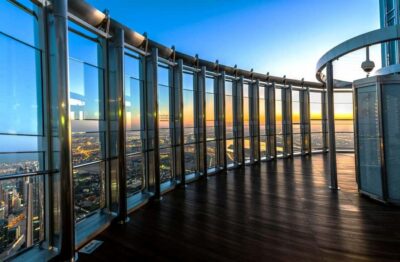
Burj Khalifa Levels 124 & 125 Entry Ticket + Options
Read our review →
Desert Safari, Quad Bike, Camel Ride & Al Khayma Camp
Read our review →
Safari, Quad Bike, Camel Ride, and Buffet Dinner
Read our review →
Red Dune Safari, Quad Bike, Camel Ride, BBQ Dinner
Read our review →
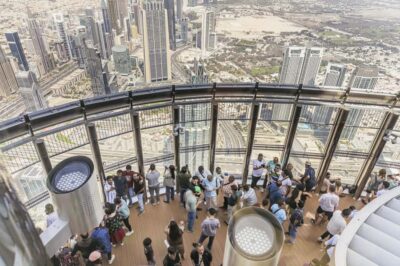
Burj Khalifa Sky Level 148, 124, & 125 Entry Ticket
Read our review →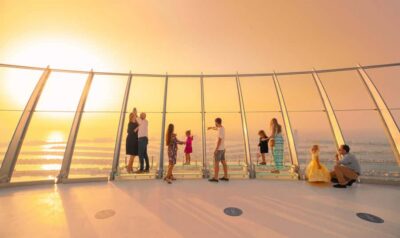
The View At The Palm Observatory Entry Ticket
Read our review →