
Reviewed · HISTORICAL TOURS
Private Historic Old Dubai and Souks Walking Tour featuring Hidden Gems
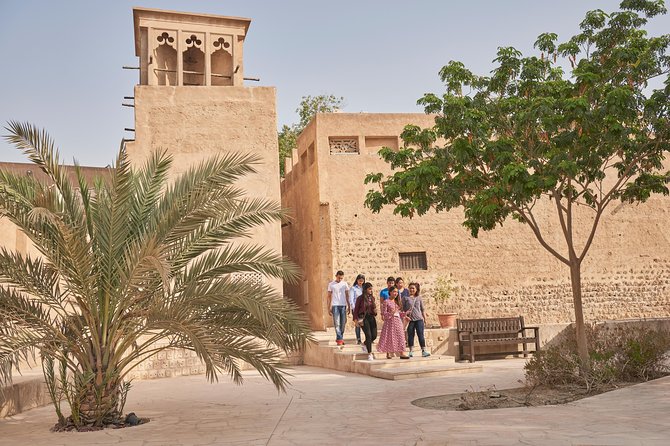
Dubai’s polished towers get most of the attention, but this private Old Dubai walking tour takes you into a quieter world of wind towers, restored homes, small museums, spice stalls, and wooden boats. In about two hours, you move from Al Fahidi’s Iranian-influenced heritage quarter to the markets on the far side of Dubai Creek.
I like the personal guide and the route’s variety. You get more than a walk through old lanes: there is a coffee tasting, a look inside the Alserkal Cultural Foundation, a traditional abra ride, and time in both the Spice and Gold Souks. Guides such as Ricky, Eslam, Orlina, Lana, Ben, Piri, and Jose have been praised for clear explanations and friendly service.
The main limitation is time. Two hours passes quickly, and you may want longer at the Coffee Museum, Alserkal Cultural Foundation, or the souks. The Dubai Museum and Al Fahidi Fort are currently closed for construction, so that portion is viewed from outside rather than toured inside.
Key points to know before you book
- A private route through Al Fahidi: Your own group walks through Dubai’s original residential district with a professional guide.
- Several small cultural stops: The Alserkal Cultural Foundation and Coffee Museum add more substance than a simple souk visit.
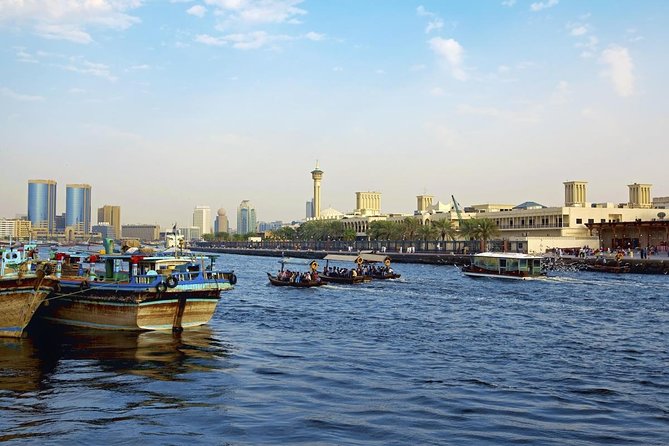
- An abra crossing is included: You ride a traditional wooden boat across Dubai Creek as part of the route.
- The souks are the finale: The Spice Souk and Gold Souk provide shopping, browsing, and a lively change of pace.
- The Dubai Museum is closed: Al Fahidi Fort remains an important landmark, but construction prevents an interior visit at present.
- A good fit for curious families: Children under six go free, and children six and older receive a reduced ticket if they can walk for the full tour.
Why Old Dubai makes a better starting point than another skyscraper
Dubai is easy to associate with grand malls, glass towers, and expensive attractions. This tour gives you a useful counterpoint. Al Fahidi Historical Neighbourhood shows the city before modern Dubai spread outward, when homes, courtyards, trading links, and the creek shaped daily life.
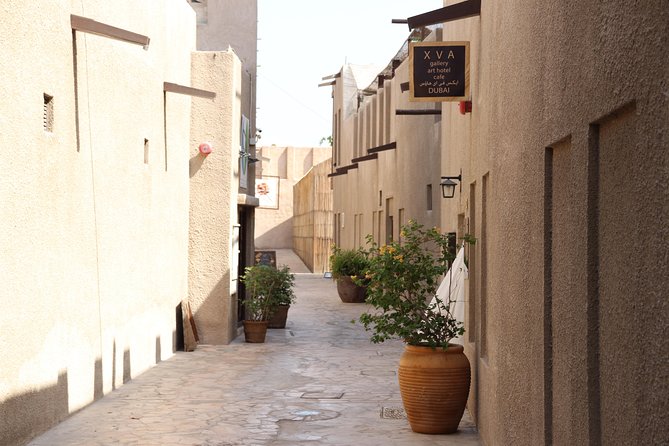
You begin at the Arabian Tea House Restaurant and Cafe in Al Fahidi, near the old Bastakiya area. From there, your guide leads you through heritage homes built by Iranian traders. The lanes and buildings give you a sense of how a compact residential quarter worked, with architecture designed for shade and privacy.
I like this first section because it gives the rest of the tour a clear frame. The souks are more interesting after you understand that Dubai grew from trade across the creek, rather than appearing fully formed as a shopping city.
A private format also matters here. You can ask your guide to explain a detail that catches your eye, and your group is not tied to the pace of a large crowd. Guides named Ricky, Eslam, Orlina, Lana, Ben, Piri, and Jose have each been singled out for friendliness, useful information, or an entertaining manner. Your assigned guide will depend on availability, but the format allows for a more personal exchange.
More history-led days in Dubai:
- Dubai Evening Heritage Safari by Vintage G Class Al Marmoom Oasis
★ 5.0 · 1,500 reviews - Dubai: Abu Dhabi Grand Mosque, Palace, and Heritage Village
★ 4.8 · 1,265 reviews - Dubai Camel Desert Safari, Traditional Meal & Heritage Activities
★ 5.0 · 937 reviews
Al Fahidi’s heritage homes and Iranian influence
Allow about 40 minutes for Al Fahidi Historical Neighbourhood, the longest stop on the route. You weave between restored homes inside Dubai’s original residential district, with your guide explaining the setting and the people who helped shape it.
The Iranian connection is an important detail. Dubai’s early trading life was not isolated, and the quarter reflects links across the Gulf. Rather than treating the buildings as empty scenery, listen for how your guide connects the architecture with commerce, family life, and Dubai’s earlier identity.
This is still a walking tour, not a museum circuit. You will spend time outdoors and on your feet, so comfortable shoes are a must. The operator says the tour runs in all weather, which makes light clothing, sun protection, and a plan for heat sensible.
The area is also a good place to slow down. Two hours is short, and the schedule does not allow unlimited wandering. If you enjoy photography, architecture, or street art, you may find yourself wanting to stop more often than the tour permits.
A restored house at Alserkal Cultural Foundation
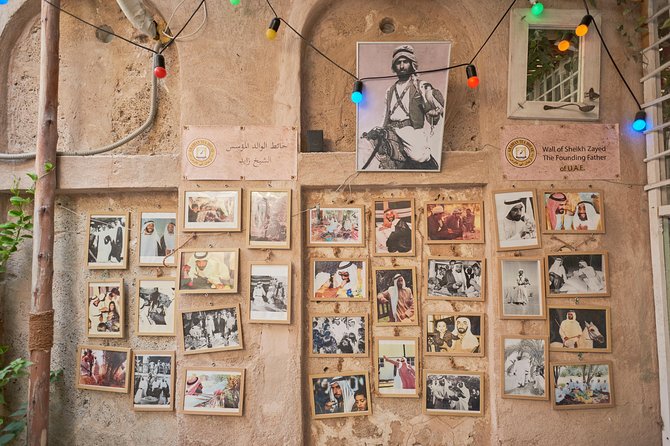
One of the heritage homes now houses the Alserkal Cultural Foundation. You spend about 10 minutes here, looking at its art collection and seeing how an old residence has been given a modern cultural use.
This is one of the tour’s more unusual stops. Many Old Dubai walks concentrate only on the fort, creek, and markets. The foundation adds an art and community angle, showing that the historic district is not simply preserved as a backdrop.
Ten minutes is enough for an introduction, but not for a long art visit. I would treat this as a focused pause rather than a major museum stop. If you prefer a relaxed schedule with plenty of time in each building, the fixed two-hour format may feel brisk.
Coffee, hospitality, and a traditional tasting
The Coffee Museum receives about 10 minutes, along with traditional Emirati tea or coffee tastings. The point is not just the drink itself. Your guide helps connect coffee with Emirati hospitality, an idea that gives a familiar ritual greater cultural meaning.
This small stop works well because it engages more than your eyes. You can look at the objects and displays, then taste something linked to the region’s welcoming customs. The included tasting also adds value to the $129 price, especially since food and other drinks are not included.
Do not expect a full meal or a long cafe break. The tour includes coffee and/or tea tastings, while any additional food or drinks are your responsibility. If you want lunch or a substantial snack, plan to eat before the walk or after it.
More walking tours in Dubai:
- Historic Old Dubai & Souk Small Group Walking Tour
★ 5.0 · 156 reviews - Dubai Souks, Food & Culture Walking Tour
★ 5.0 · 132 reviews - Dubai: Private Old Town, Heritage & Souks Walking Tour
★ 4.9 · 102 reviews - Dubai: Old City Walking Tour with Abra Ride
★ 5.0 · 101 reviews
Al Fahidi Fort and the closed Dubai Museum
The Dubai Museum and Al Fahidi Fort are part of the route’s historical setting, but the museum is currently closed for construction. Your guide can still point out the fort and explain its place in Dubai’s earlier story, but you should not book this tour expecting an interior museum visit.
That closure is the clearest change to the advertised experience. The fort once guarded the settlement and is connected with Dubai’s pearl-trading past. At present, you get the exterior context rather than the full museum presentation.
This stop takes around 10 minutes and is listed with no admission charge. If the museum is the main reason you are interested in Old Dubai, check its status before booking and adjust your expectations. The tour remains worthwhile for the neighborhood, creek crossing, and souks, but the museum portion is limited.
Crossing Dubai Creek by abra
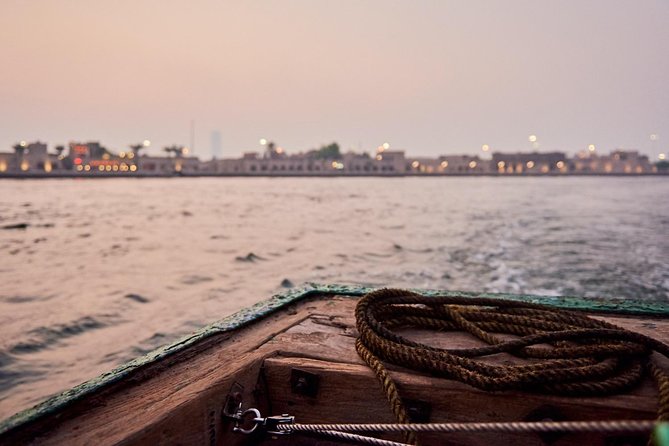
The traditional abra ride is the route’s most memorable change of pace. After walking through Al Fahidi, you cross Dubai Creek in a wooden boat, linking the older residential quarter with Deira and its markets.
The ride is brief, about five minutes, but it provides a welcome break from walking and a different view of the waterway. It also makes practical sense: the creek is not just something to look at here. It is the route between the two historic sides of the city.
The ride is included in the price, so you do not need to arrange a separate boat ticket for this part. The itinerary places the crossing around the souk portion of the tour, and the route ends in the Gold Souk area. Listen to your guide for the exact sequence on the day.
This is not a sightseeing cruise. It is a short local crossing, and that is precisely its appeal. You get a taste of an everyday traditional form of transport without committing to a long boat excursion.
Spice Souk: saffron, vanilla, and the business of browsing
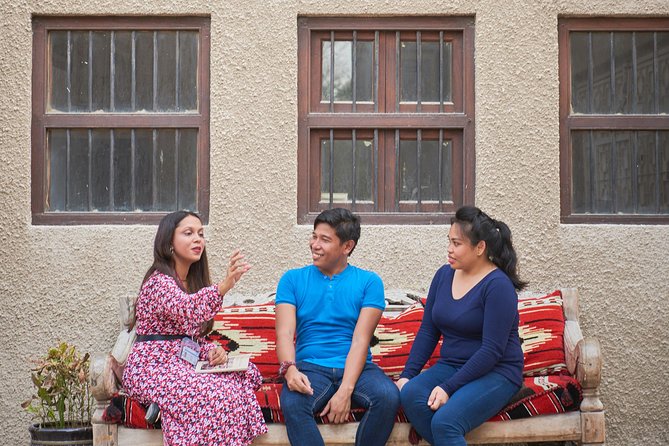
The Dubai Spice Souk allows about 10 minutes for a close look at saffron, vanilla bean, and other spices. It is a compact visit, so you should think of it as an introduction rather than a leisurely shopping session.
The guide can help you understand what you are seeing and may make the colorful displays easier to read. Saffron and vanilla are presented as prized spices, and the stop gives you a direct link between Dubai’s trading past and its present-day market culture.
If you plan to buy something, do not rush. Ten minutes is not much time for comparing products, asking questions, and checking prices. You can also return to the souks after the tour, since the experience finishes at the Gold Souk and leaves you free to explore on your own.
Gold Souk: a short stop with a long afterlife
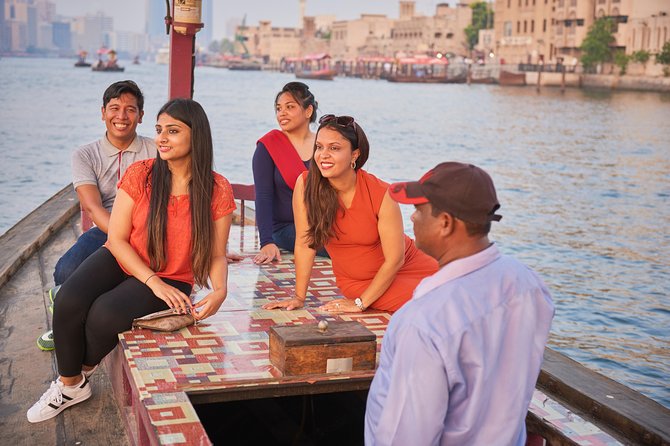
The Gold Souk receives about five minutes during the guided portion. That sounds brief, and it is. The guide introduces you to the market’s glittering displays, then the formal tour ends in the Gold Souk area.
This arrangement is useful if you want orientation without being forced into a group shopping schedule. You can continue browsing afterward, take a taxi, or use the metro to reach another part of Dubai.
The Gold Souk is also where the tour’s value depends on your plans. If you want a guided cultural overview, the short stop is enough. If you want to shop for jewelry or spend time comparing stalls, plan to stay longer after the guide says goodbye.
Is $129 per person a fair price?
At $129 per person, this is not the cheapest way to see Old Dubai. You are paying for a private guide, a planned route, museum and heritage-house access where available, coffee or tea tasting, and the traditional boat ride.
The value improves if you want conversation and flexibility rather than a basic self-guided walk. A private tour can be especially useful on a first visit, when it is hard to know which lanes, courtyards, museums, and market areas deserve your limited time.
The price is less compelling if you mainly want to wander the souks or ride an abra. You can explore the Gold Souk after the tour, and the walk itself is only about two hours. Since hotel pickup, drop-off, food, and extra drinks are not included, add those costs to your plan.
I would see this as a good-value introduction for a couple, family, or small group that wants Old Dubai explained in person. It is a less convincing choice for a solo budget visitor who is comfortable finding Al Fahidi and the markets independently.
Who will enjoy this two-hour route most?
I would recommend it to you if you want a compact introduction to Dubai’s older districts and prefer people-centered history over large modern attractions. The route suits first-time visitors, couples, families, and anyone with only an afternoon available.
Children are welcome. Those under six are free, while children six and older receive a reduced ticket if they can walk for the duration. Since this is a walking tour with several short stops, families should bring comfortable shoes and dress for the weather.
It also suits repeat visitors who have already seen the major modern sights. The Iranian-influenced homes, cultural foundation, coffee museum, and creek crossing offer a different view of the city.
I would be more cautious if you need a slow, detailed museum visit. The stops are short, and one major site, Dubai Museum, is closed for construction. The walk is also not ideal if you dislike outdoor heat or cannot comfortably walk for about two hours.
Practical details that affect your day
The meeting point is Arabian Tea House Restaurant and Cafe in Al Fahidi, opposite the Musalla Post Office on Al Fahidi Street. The tour ends at the Gold Souk in Deira, not back at your starting point.
That one-way design can work in your favor. You finish among the markets and can continue shopping, take a taxi, or use the metro to reach another part of Dubai. It also means you should avoid scheduling a faraway commitment immediately after the tour.
Confirmation is provided when you book, and the tour is available with a mobile ticket. Public transportation is nearby, and most people can take part.
Wear walking shoes and clothing suited to the weather. The tour operates in all conditions, so rain or heat may affect your comfort. I would also leave room in your schedule after the official finish, especially if the Spice or Gold Souks interest you.
Free cancellation is available up to 24 hours before the start time for a full refund. Cancellations or changes made within 24 hours are not accepted for a refund.
Should you book this Old Dubai tour?
Book it if you want a private, well-paced introduction to the city’s older side, with a guide to explain the homes, coffee customs, creek, and markets. The combination of Al Fahidi, small cultural stops, an abra ride, and the souks gives you more range than a simple market walk.
The strongest reasons to choose it are the personal guiding and the route’s variety. The most praised guides, including Ricky, Eslam, Orlina, Lana, Ben, Piri, and Jose, are described as friendly, clear, and engaging. Just remember that guide assignment is not guaranteed, and the experience is limited to about two hours.
Skip it if your priority is a full visit to Dubai Museum, a long shopping session, or the lowest possible cost. With the museum closed and the final souk stops brief, you will get the most from this tour if you treat it as an introduction and keep extra time afterward for your own exploration.
FAQ
How long does the tour last?
The tour lasts approximately two hours.
Where does the tour begin?
It begins at Arabian Tea House Restaurant and Cafe in Al Fahidi, near Bastakiya and opposite the Musalla Post Office on Al Fahidi Street.
Where does the tour end?
It ends at the Gold Souk in Deira. From there, you can continue exploring, take a taxi, or use the metro.
Is the tour private?
Yes. Only your group participates in the private tour.
Is the abra ride included?
Yes. A traditional wooden abra ride across Dubai Creek is included.
Are coffee or tea tastings included?
Yes. Traditional Emirati tea or coffee tastings are included.
Can I visit Dubai Museum during the tour?
Dubai Museum and Al Fahidi Fort are currently closed for construction. The guide can cover the site from outside, but an interior museum visit is not available at present.
Are children allowed on the tour?
Yes. Children must be accompanied by an adult. Children under six are free, and children six and older have a reduced ticket if they can walk for the duration.
Is hotel pickup included?
No. Hotel pickup and drop-off are not included.
Can I cancel for a full refund?
Yes, if you cancel at least 24 hours before the experience start time. Cancellations or changes made less than 24 hours in advance are not accepted for a refund.
Just added around Dubai
- Museum of Illusions Dubai Tickets★ 5.0 · 8 reviews
- Musandam Khasab Day Trip and Dhow Cruise from Dubai★ 4.5 · 66 reviews
- Full Day Musandam Dibba Cruise with Buffet Lunch and Snorkelling★ 4.0 · 33 reviews
- Small-Group Day Trip from Dubai to Musandam, Oman with Lunch★ 3.5 · 9 reviews
- Morning Desert Safari with Camel Ride and Sandboarding★ 5.0 · 65 reviews
- Muscat City Tour from Dubai with Free Visa & Omani Lunch★ 5.0 · 8 reviews
- Dubai Desert Safari: Premium Adventure ,Camel Riding & Live Shows★ 4.5 · 9 reviews
- Dubai Morning Desert Safari with Dune Bashing and Breakfast★ 5.0 · 11 reviews
Historical Tours, compared.
Dubai Evening Heritage Safari by Vintage G Class Al Marmoom Oasis
Read our review →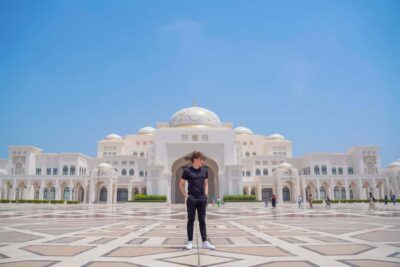
Abu Dhabi Grand Mosque, Palace, and Heritage Village
Read our review →
Dubai Camel Desert Safari, Traditional Meal & Heritage Activities
Read our review →
Heritage Safari in Vintage Land Rover with Dinner
Read our review →
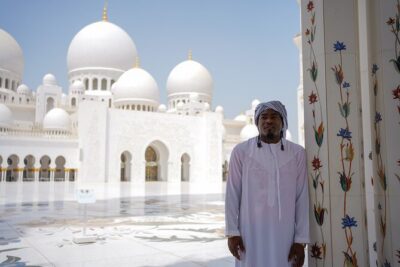
Abu Dhabi Trip with Lunch at Al Khayma Heritage Restaurant
Read our review →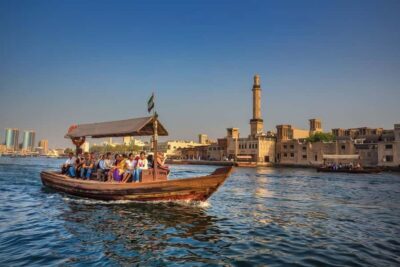
Heritage Safari, Camel Ride & Al Marmoom Oasis Dinner
Read our review →Browse the lists this tour appears in