
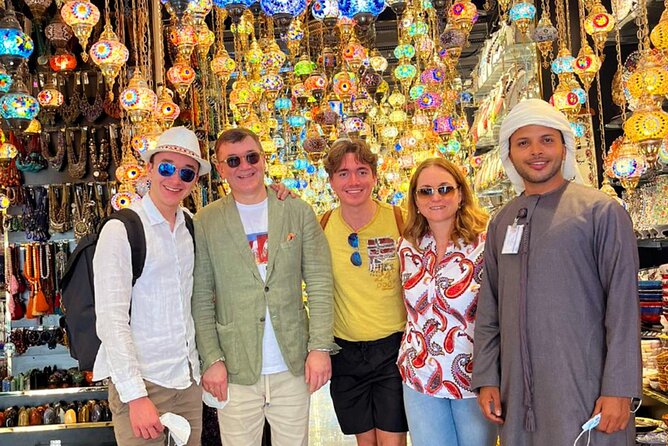
Reviewed · FOOD & DRINK
Old Dubai tour: Local Market, Tasting, Dubai creek with Abra ride
Dubai’s towers tell only the newest chapter of the city’s story. This small-group walk takes you through Al Fahidi Historical Neighbourhood, past wind towers, shaded lanes, old markets, and the creek that made Dubai a trading port long before the skyscrapers arrived. You finish with an abra ride to Deira’s Spice and Gold Souks.
I like the compact route, which packs several worthwhile sights into two and a half to three hours. I also like the human touch when you get a strong guide. Hichem, Mahmoud, and Abdullah have been especially praised for clear explanations, humor, and thoughtful answers. The main caution is that the tour can feel rushed, and museum access or food tastings may vary.
Old Dubai in six useful points
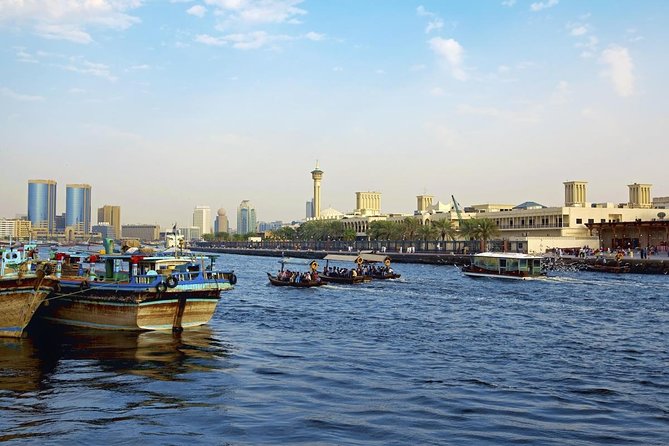
- A short walk with a broad story: You see Al Seef, Al Fahidi, the Old Souk, Dubai Creek, and two famous Deira markets in roughly 2 to 4 hours.
- The abra crossing is included: This is a simple public boat, not a private cruise, but it gives you a memorable view of the creek and costs nothing extra on this tour.
- Small groups help: The maximum group size is 10, making it easier to hear the guide in narrow lanes and ask questions.
- Camel milk chocolate is part of the tasting: Snack selections can vary, and some food options depend on the booking choice.
- The tour ends at the Gold Souk: You are not returned to your hotel, but the end point has a metro station and taxi stop nearby.
- Museum plans need checking: The Dubai Museum and Coins Museum are listed in the route, but the Coins Museum is described as reopening soon, and access to the Dubai Museum may not always be available.
Why Old Dubai is worth your morning
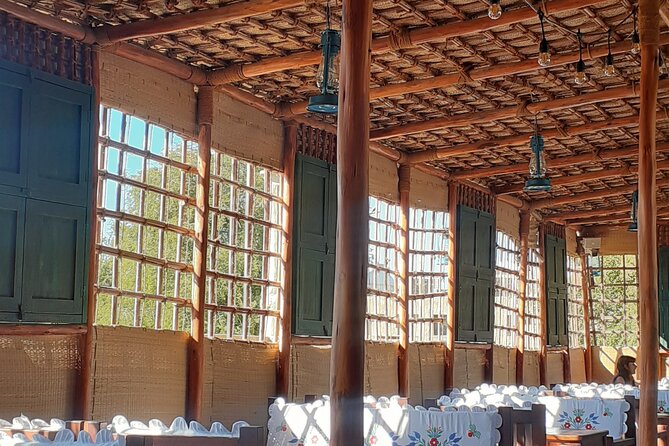
If you spend your entire Dubai visit around Downtown, Palm Jumeirah, and the large malls, the city can seem almost brand new. Old Dubai gives you a different frame. The Al Fahidi area preserves the kind of low-rise buildings and narrow passages that explain how the settlement looked from the mid-19th century through the 1970s.
The point is not simply to see old buildings. A good guide connects the architecture to daily life, trade, religion, pearl fishing, family homes, and the growth that followed the discovery of oil. The walk is most rewarding when you ask questions and listen for those links.
The price, about $22.33 per person, is fair if you want orientation, a guide, a boat crossing, bottled water, and a planned route through places that can feel confusing on a first visit. You could walk around the markets yourself for less, but you would miss much of the explanation and the smooth transition from Bur Dubai to Deira.
This is not a private tour and it is not a luxury food excursion. The value rests on the guide and the range of stops. When the guide is warm and well prepared, the experience feels like a lively introduction to the city. When the commentary is rushed or basic, the same route can feel like a checklist.
More food tours in Dubai:
- Dubai: Old Town, Creek, Museums, Souks, & Street Food Tour
★ 4.8 · 10,816 reviews - Dubai: Old Town, Souks, Street Food, Guided Tour & Abra Ride
★ 4.9 · 7,170 reviews - Dubai: Old Town, Souks, Street Food, Guided Tour & Abra Ride
★ 5.0 · 1,664 reviews
Starting at Al Seef beside Dubai Creek
The meeting point is the Al Fahidi Marine Transport Station information and ticket office, beside D84 on the Bur Dubai side of Dubai Creek. You should arrive with the meeting details open on your phone, since the waterfront has several transport points and it is easy to walk toward the wrong one.
The first stop, Souk Al Seef, takes about 15 minutes. Al Seef combines traditional-looking market buildings with newer shops, restaurants, and creekside paths. It is a useful introduction, but do not mistake it for an untouched historic quarter. Parts of it are a modern recreation of old Dubai, designed for shopping, dining, and photographs.
That contrast is actually useful. The tour moves between recreated heritage spaces, preserved buildings, working markets, and museums. You get a clearer idea of how Dubai presents its past while also seeing how the waterfront functions today.
Al Fahidi’s lanes and wind towers
The Al Fahidi Historical Neighbourhood is the heart of the walking portion. Allow about 35 minutes here, though the exact pace depends on the group and the guide’s style.
Look up at the wind towers, the early form of air conditioning that helped move air through traditional homes. The narrow lanes also provide some shade, which matters in Dubai’s heat. The buildings are low and plain compared with the glass towers elsewhere in the city, but they make the city’s earlier scale easier to imagine.
Cultural spaces and galleries occupy many of the old buildings. Some tours include visits inside heritage homes, which can provide a welcome cool break and a better sense of domestic life. The tour description includes admission to the neighborhood, but individual indoor sites can have changing hours.
This is where the guide matters most. Hichem has been praised for combining humor with explanations of Emirati culture, religion, and history. Mahmoud has also received strong praise for making UAE history engaging rather than school-like. Abdullah is noted for answering questions and explaining local customs in a personable way.
Coins, forts, and the Dubai Museum question
The Coins Museum is a small but unusual stop. It is said to contain more than 470 rare coins from important periods in Middle Eastern history, with displays that show links among the British Empire, India, and other parts of the region before independence.
Ten minutes is enough for a quick look, but not for a detailed study of every display. The important point is that money helps explain trade. Dubai’s growth was tied to movement across the Gulf and to commercial connections well beyond the Arabian Peninsula.
The route also includes Al Fahidi Fort and the Dubai Museum. The museum, opened in 1971, is housed in the fort and focuses on life before oil. Its displays are described as including traditional homes, mosques, souks, date farms, pearl-diving boats, weapons, jewelry, and artifacts dating as far back as 3000 BC.
Here is the practical qualification: the Coins Museum is marked as opening soon, and access to the Dubai Museum has not always been available. Some people have expected full museum entry and instead received an exterior explanation or a walk through the surrounding area. If museum interiors are your main reason for booking, confirm the current opening status before paying.
More market mornings in Dubai:
- Dubai: Al Ain Oasis, Camel Market, Old Museum & Jebel Hafeet
★ 4.4 · 8 reviews - Abu Dhabi Sightseeing Tour: Sheikh Zayed Mosque, Heritage Village & Dates Market
★ 4.5 · 226 reviews
A respectful look at Grand Bur Dubai Masjid
The Grand Bur Dubai Masjid is scheduled for about 15 minutes. Its tall minaret, geometric decoration, Quranic inscriptions, and stained-glass details make it one of the area’s most noticeable landmarks.
The mosque’s story also reflects Dubai’s changing past. It began in 1900 as a Quranic school, then was rebuilt in 1960 and again in 1998. The guide may explain the building’s role in the neighborhood and the place of Islam in daily life.
Treat this as an exterior cultural stop unless your guide clearly explains that entry is available. Dress respectfully, follow instructions, and remember that a mosque is a place of worship first and a sightseeing stop second.
The Old Souk: browse, bargain, and keep your pace
The Old Souk in Bur Dubai receives roughly 25 minutes. You might find silk, wool, cashmere, perfumes, spices, dried fruit, scarves, abayas, thawabs, and tailored clothing.
The market is colorful, but it is also commercial. Salespeople may approach you, and the pace can feel more intense than in the quiet Al Fahidi lanes. If you want to buy something, keep your attention on the guide’s meeting instructions and ask how much time you have before wandering deeper into the stalls.
Twenty-five minutes is enough to get a feel for the market and make a small purchase. It is not much time for careful comparison, extended bargaining, or custom tailoring. If shopping is your priority, plan to return independently after the tour.
Do not feel pressured to buy. A polite no is enough. The guide’s job should be to explain the goods and local shopping customs, not to steer you toward a particular shop.
Crossing Dubai Creek by public abra
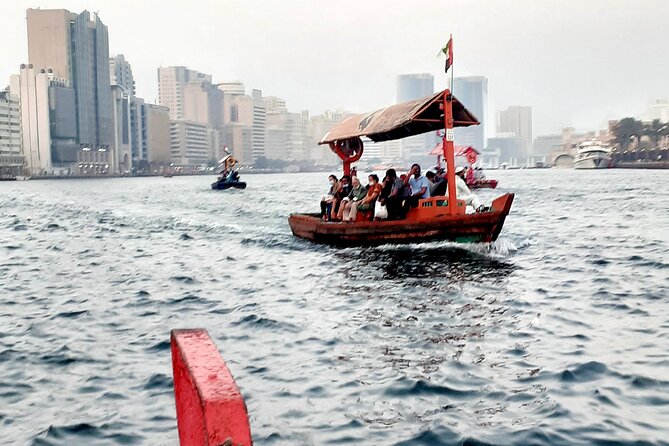
At Bur Dubai Abra Station, you board a traditional wooden abra for the crossing to Deira. The ride itself takes only a few minutes, with about five minutes allotted in the schedule, but it is one of the tour’s most memorable pieces.
This is a working local boat, not a polished sightseeing cruise. You sit close to the water and watch the creek traffic, waterfront buildings, and old trading routes pass by. The crossing gives you a physical sense of why this narrow saltwater inlet mattered so much to Dubai’s development.
The boat can also reset the mood after the walking stops. You are still outdoors, but the change of viewpoint makes the route feel less like a series of buildings and more like a journey through two connected districts.
Spice Souk aromas and shopping pressure
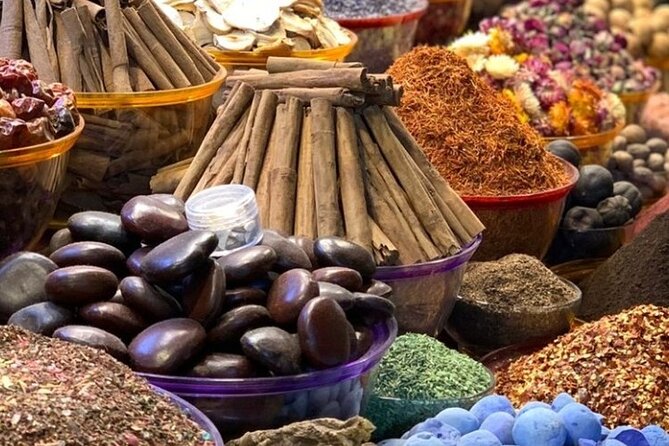
In Deira, the Dubai Spice Souk gets about 25 minutes. Expect sacks and displays of spices, herbs, dried fruits, nuts, perfumes, and other aromatic goods. The market dates to the late 19th century and remains one of the clearest places to see Dubai’s trading identity in action.
You can ask about ingredients, compare prices, and practice bargaining. Still, shop interactions vary. Some sellers are friendly and informative, while others may push harder for a purchase. Keep your expectations realistic: this is a market aimed at shoppers, not a quiet museum.
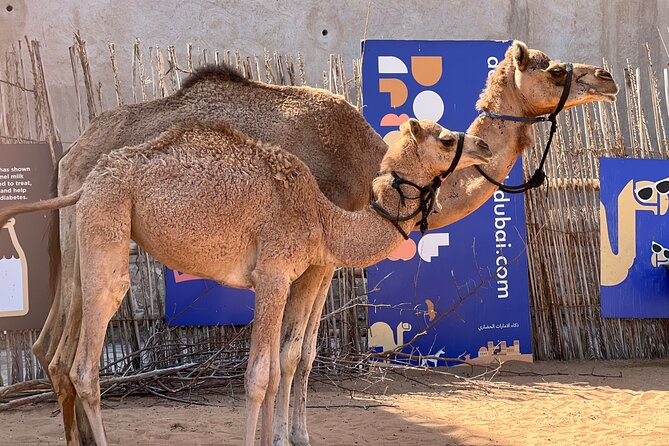
The tour includes tastings, including camel milk chocolate, and snacks may be included if you select the appropriate option. The tasting is a pleasant extra, but it should not be the main reason you book. Food offerings and the setting can vary, and hot weather can make standing outside with hot food uncomfortable.
One specific caution is shopping pressure. Some participants have felt steered toward a particular spice shop. You can listen to the presentation, decline purchases, and move on. Ask your guide whether the tasting is included in your selected option and what will be served.
Gold Souk displays and the end of the route
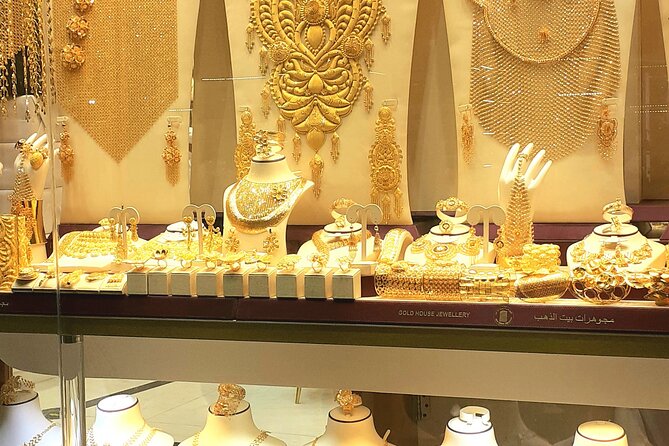
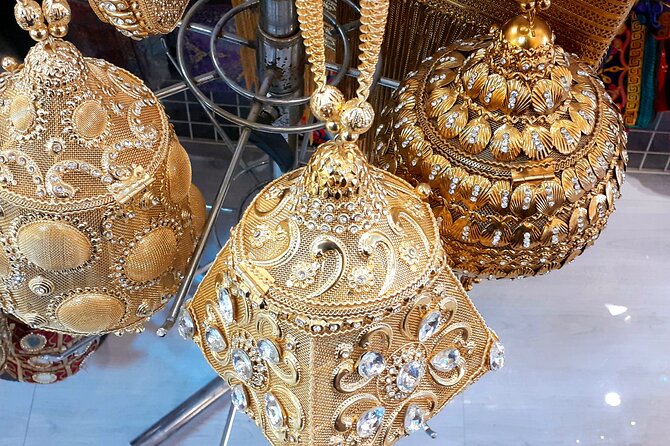
The final stop is the Dubai Gold Souk, with about 20 minutes to look around. More than 350 retailers operate in the district, selling gold, diamonds, pearls, precious stones, platinum, and silver.
Even if you buy nothing, the displays are worth seeing. The shop windows turn jewelry into a visual spectacle, and the market gives you a look at Dubai’s role as a major commercial center. If you are shopping, compare several stores and ask about purity, workmanship, and the total price before agreeing to anything.
The tour ends here in Deira. That is convenient if you want to continue shopping, but there is no hotel drop-off. A taxi stop and metro station are nearby, so you can continue on your own. Keep this in mind when planning the rest of your day, especially if you are carrying purchases.
How the guides shape the experience
The route is straightforward. The guide is what turns it into a useful tour.
Hichem has been singled out for humor, patience, strong English, and the ability to explain in both French and English when needed. Mahmoud has been praised for making history lively and for giving personal, attentive explanations. Abdullah has been noted for his cultural insight and willingness to answer questions.
You should still allow for variation. This is a shared tour, with a maximum of 10 people, and different guides will tell the story in different ways. Some may offer thoughtful context about religion, family life, and the UAE’s rapid growth. Others may keep to short, general facts.
Ask questions early. If you want more detail on pearl fishing, the creek trade, mosque etiquette, or the move from pre-oil Dubai to the modern city, say so. A guide who knows you are interested can shape the commentary more effectively.
Timing, heat, and what to bring
The advertised duration is 2 to 4 hours. Most of the route is on foot, with brief stops and one boat crossing. The walking is manageable for most people, but the heat can be the deciding factor.
Book an early start or a cooler part of the day if that option is available. Wear light clothing, comfortable walking shoes, and clothing suitable for visiting historic and religious areas. Bring sun protection, and use the included bottled water. There may not be a comfortable seat during every food or market stop.
The meeting point is near public transportation, and the end point is also well connected. Confirmation is received at booking, and the mobile ticket is useful, but check any start-time message carefully. A timing change without clear notice can create a serious problem in the heat.
Free cancellation is available up to 24 hours before the start time. Changes or cancellations inside that window are not refunded, and poor-weather cancellations are handled with a new date or full refund.
Who should book this Old Dubai walk?
I would choose this tour if you are visiting Dubai for the first time and want a quick, organized introduction to the older districts. It suits couples, families, and curious teenagers who prefer stories and local context to a long museum visit.
It is also a good fit if you want to see the souks but do not want to work out the Bur Dubai to Deira route yourself. The abra crossing, bottled water, guide, and planned sequence add real convenience for $22.33.
I would be more cautious if you want extended shopping time, a serious food tour, guaranteed museum entry, or a private guide. Independent visitors can explore the same districts at low cost, then spend as long as they like in each market. You should also reconsider during the hottest part of the day if you dislike outdoor walking.
Should you book it?
Book this Old Dubai tour for orientation, cultural context, and an easy route through Al Fahidi, the creek, and Deira’s markets. Its strongest moments come with a guide such as Hichem, Mahmoud, or Abdullah, who can turn a short walk into a useful explanation of how Dubai grew.
Do not book it solely for museum admission or a substantial food experience. Those elements may change, and the souk time is brief. If you accept the tour as a guided introduction rather than a full-day historical visit, the price is sensible and the abra crossing gives it a memorable finish.
FAQ
How much does the Old Dubai tour cost?
The listed price is $22.33 per person.
How long does the tour take?
The experience lasts approximately 2 to 4 hours. Several published stops suggest that many visits take about two and a half to three hours.
Where does the tour start?
It starts at the Al Fahidi Marine Transport Station information and ticket office on the Bur Dubai side of Dubai Creek, beside D84.
Where does the tour end?
The tour ends at the Dubai Gold Souk in Deira, in the Al Ras area. A taxi stop and metro station are nearby.
Is the abra ride included?
Yes. The traditional abra boat ride across Dubai Creek is included in the tour price.
Is museum admission included?
Admission to the Coins Museum is listed as included, but the museum is described as opening soon. The Dubai Museum and Al Fahidi Fort are part of the route, though current indoor access may vary.
Can I cancel for a full refund?
You can cancel at least 24 hours before the experience for a full refund. Cancellations or changes made less than 24 hours before the start time are not refunded.
More Shopping in Dubai
- Dubai: Magic & Secret new Shopping Tour
★ 5.0 · 15 reviews - Dubai: Private Shopping City Tour and Global Village Tickets
★ 4.8 · 14 reviews
Just added around Dubai
- Abu Dhabi City Tour with Ferrari Park★ 5.0 · 15 reviews
- Abu Dhabi City Tour with Ferrari world Full Day★ 4.5 · 11 reviews
- Abu Dhabi City Tour with Ferrari World Tickets★ 5.0 · 16 reviews
- Abu Dhabi City Tour with Buffet Lunch★ 4.5 · 17 reviews
- Abu Dhabi City Tour with Private Car★ 5.0 · 11 reviews
- Abu Dhabi City Tour in a 4×4 Shared Vehicle★ 5.0 · 41 reviews
- Abu Dhabi City Tour with Desert Safari Adventure★ 5.0 · 8 reviews
- Exclusive Full-Day Abu Dhabi City Tour with Sheikh Zayed Mosque★ 5.0 · 38 reviews
Food & Drink, compared.
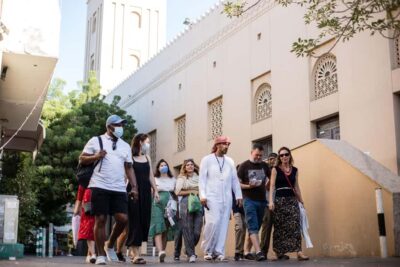
Old Town, Creek, Museums, Souks, & Street Food Tour
Read our review →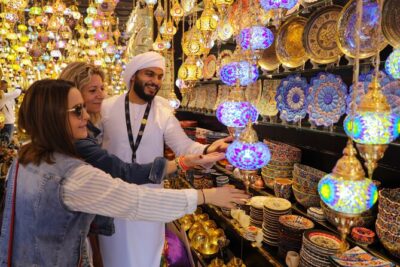
Old Town, Souks, Street Food, Guided Tour & Abra Ride
Read our review →Old Town, Souks, Street Food, Guided Tour & Abra Ride
Read our review →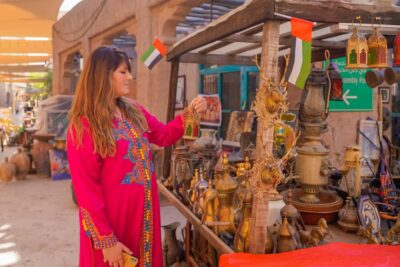
Old Town, Street Food, Creek, Souks, & Emirati House
Read our review →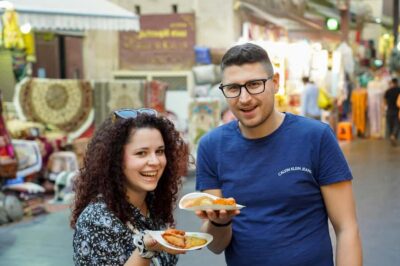
Old Dubai: Premium Guided Tour with Street Food & Abra Ride
Read our review →
Dubai Top Highlights: Frame Entry, Souks, Abra & Street Food
Read our review →
Premium Old Town, Street Food, Souks & Boat Ride Tour
Read our review →
City Highlights Tour with Blue Mosque & Street Food
Read our review →Browse the lists this tour appears in